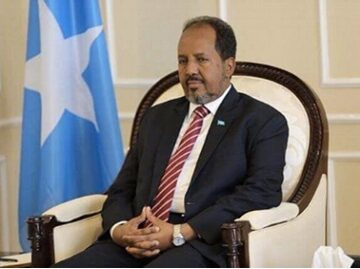
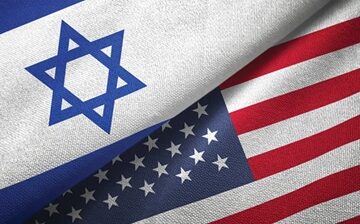
By Abdisalam Ali Farah (Biligsey) The recognition of Somaliland by the government of Israeli Prime Minister Benjamin Netanyahu represents a deeply destabilizing development with potentially catastrophic consequences—not only for Somaliland itself, but for Somalia as a whole and the wider Horn of Africa. Far from bringing legitimacy or stability, such recognition risks igniting internal conflict,...
Did President Hassan Sheikh Mohamud Abdicate His Constitutional Duty to Defend Somalia’s Sovereignty?
By Isha Qarsoon Israel’s recognition of Somaliland prompted an immediate response from the Federal Government of Somalia. Parliament convened in a joint session, official statements were issued, and diplomatic objections were formally lodged. The government asserted that Somalia’s sovereignty and territorial integrity had been violated. Both domestically and in external forums, the state acted in...
Leadership Vacuum Deepens Crisis as Drought Chokes Northeastern State of Somalia
By Mohamed Ali Hashi A Moment of Hope That Now Feels Fragile Not very recently, Las Anod had a sense of momentum. This seemed to many that a new era has finally dawned on a long-neglected country. It was not just a political milestone when Abdikadir Ahmed, who is popularly known as “Firdiiye”, was elected...
When Zionism Loses Its Church: The Evangelical Revolt Against Israel
By Abdikarim Haji Abdi Buh For decades, the United States–Israel alliance rested on a powerful and seemingly immovable foundation: American evangelical Christianity. More than diplomats, arms manufacturers, or strategic planners, it was Christian Zionists who formed Israel’s most loyal and emotional constituency in the United States. They prayed for Israel, funded it, defended it, and...
Why the Celebration Felt Wrong: The Epistemic Hijacking of Somali Instinct
Dr Zakariya Weyrax When knowledge is divorced from action, society learns to tolerate the intolerable — and power is at its most absolute when it convinces a people that their own hesitation is wisdom. Right now, the talk is recognition. The performance is gratitude. And beneath it, unspoken but unmistakable, is unease. Across the Somali...
The Price Somalia Paid for Bad Leadership: A Reflection on Mogadishu’s Local Elections
By Dayib Sh. Ahmed Moments of political crisis often expose more than administrative failure; they reveal a governing philosophy at work. Elections, especially at the local level, are meant to be routine expressions of civic trust quiet confirmations that authority flows from the consent of the governed. When such exercises instead require coercion, lockdowns, and...
Political Hypocrisy: Supporting Both Union and Secession
By Isha Qarsoon On January 1, 2026, a group described in Somali media as “Somaliland politicians in Mogadishu” issued a joint statement urging the Federal Government of Somalia to avoid punitive measures following Israel’s recognition of Somaliland. Those associated with the statement reportedly include the Deputy Prime Minister, the Minister of Finance, and the Chief...
The division among Somalia’s political elite may ultimately lead to its downfall
By Ali Haji Warsame The unilateral recognition of Somaliland by Israel on December 26 is not merely an isolated diplomatic incident. It highlights a broader trend where Somalia’s ongoing and unresolved internal divisions intersect perilously with regional ambitions and historical injustices. At its core, this episode exposes a fundamental truth: Somalia’s greatest vulnerability lies not...
From Refuge to Home: Somali Resettlement in Minnesota and the Human Cost of Political Targeting
By Abdikarim Haji Abdi Buh How Minnesota Became Home to Somali America The story of Somalis in Minnesota begins not with politics, but with survival. In 1991, the collapse of the Somali state triggered one of the longest and most devastating civil wars in modern African history. Entire cities were destroyed, institutions vanished overnight, and...
The Collapse of Somalia’s Social Contract and What It Means for Puntland
By Abdisaid M. Ali Somalia’s social contract did not collapse overnight. It weakened gradually as constitutional restraint gave way to discretion and the rules meant to bind power in Mogadishu became negotiable. In fragile political orders, legitimacy rests less on ambition than on credible limits. Once those limits loosen, trust drains quickly and politics hardens,...