By Abdullahi A. Nor After four years of deafening silence during what many insiders describe as one of the most brazen periods of state asset plunder in Somalia’s recent history, the Office of the Auditor General led by Ahmed Isse Gutale, has abruptly “discovered” its mandate. Its latest move, a narrowly focused probe into land...

Jawar Mohamed’s Delusions: Expansionist Rhetoric Meets Somali Reality
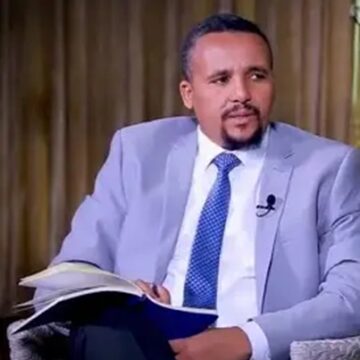
By Axmed-Yaasiin Maxamed SooyaanTranslated into English by Abdikarim Haji Abdi Buh Jawar Mohamed, the self-styled voice of the Qeero movement, has once again stepped into dangerous territory, this time with rhetoric that exposes not strategy, but delusion. In remarks that have stirred outrage, Jawar suggested that he and Ethiopia’s Prime Minister, Abiy Ahmed, have come...
An Open Letter to the Republic of Turkey Regarding the Sustainability and Equity of Bilateral Assistance to Somalia
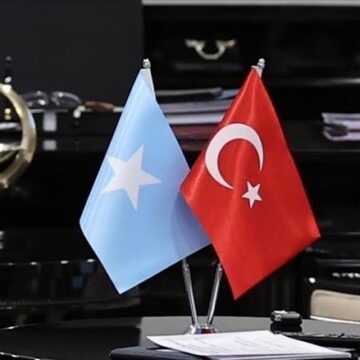
By Djama Mahamoud Ali To the Esteemed Government of the Republic of Turkey, Your Excellency, On behalf of a concerned segment of the Somali populace who hold the Republic of Turkey in high regard, I write this letter to express profound gratitude, but also to convey a critical observation regarding the trajectory of our bilateral...
What Baidoa Means for the Anti-Coercion Coalition, and for Somaliland in Particular
By Hon Ahmed Abdi Koshin, member of Somalia’s Federal Parliament representing a constituency in Somaliland, and Dr Abdifatah Ismael Tahir, former member of Somalia’s Federal Parliament representing a constituency in Somaliland from 2016 to 2022. Somalia’s political settlement, however unevenly accepted, rested on the expectation that differences and divisions would be managed through bargaining between...
Forty- One Days to Remake a Nation? Silence, Suspicion, and Somalia’s Unscripted Political Freefall
By Abdiqani Haji Abdi In Somalia, political crises rarely unfold quietly. They escalate, stall, and—almost inevitably—draw in the international community, which arrives as referee, mediator, and sometimes reluctant architect of last-minute compromises. Except this time. This time, the referee is not just silent—it is absent. As Somalia drifts toward what many describe as a constitutional...
The Fall of Baidoa, No One Expected!
By Abdijaliil Osman, An investigative analysis A federal army crossed 246 kilometres of Al-Shabaab territory, dismantled seven years of regional power, and ended two decades of Ethiopian influence — in less than 72 hours. How did it happen, and what does it mean? The soldiers at Baidoa’s Shaati Gaduud airport did not move. Ethiopian contingents...
It is Mourning Time for Somalia: Federalism Fracture Completed by the First and Last Federal President
By Isha Qarsoon The events in Baidoa have been documented extensively and the immediate political record is well established. This essay turns to a different question: what those events mean for Somalia’s constitutional architecture and for the theory of change that has organized international support for Somalia’s state-building over the last twenty-five years. That analysis...
How China’s Cities Went Bankrupt and Why No One Saw It Coming: Part I
By Abdikarim Haji Abdi Buh By the time the streetlights went dark, the illusion was already over. Let’s begin with a question that sounds like the setup to a bad joke: how does a city go bankrupt in a communist country? After all, China is supposed to have a firm grip on everything—from banks to...
Somalia’s Political Class and the Fate of the State, 1925–Present: A Strategic Historical Analysis
The Making of Somalia’s Political Class, 1925–1960: Colonial Mediation and the Selection of Leadership- Part I By Abdisaid M. Ali This essay is the first in a three part series on three decisive episodes in Somalia’s modern history and the conduct of the leaders, politicians, and policymakers who shaped each of them. The first examines...
Governance Is Not About Leaders: Why Somalia Must Build Institutions That Outlast the People Who Run Them
By Bashir M. Sheikh Ali, J.D., Ph.D When Somalis discuss the crisis facing their country, the conversation almost invariably arrives at the same questions. Who should lead? Which coalition can hold? Whose turn has come? These are treated as governance questions. They are not. They are questions about the distribution of political power among elites,...