ACCRA/BLANTYRE (Reuters) – African governments have imposed sharp fuel price increases as the Iran war sends global oil prices surging and threatens to spark inflation across the continent. African countries import most of their petroleum products, leaving many highly vulnerable to supply disruptions. South Africa, one of the continent’s largest economies, on Tuesday reduced its fuel levy for...
Author: WDN
President Hassan Sheikh heads to Baidoa as NISA forces are deployed ahead of his visit
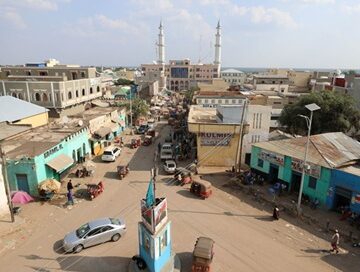
BAIDOA (WDN) — Special forces from Somalia’s National Intelligence and Security Agency (NISA) have been officially deployed to the city of Baidoa, as preparations intensify for a planned visit by the President of the Federal Republic of Somalia, Hassan Sheikh Mohamud is expected. The move follows the federal government’s full takeover of the control over...
The Fall of Baidoa, No One Expected!
By Abdijaliil Osman, An investigative analysis A federal army crossed 246 kilometres of Al-Shabaab territory, dismantled seven years of regional power, and ended two decades of Ethiopian influence — in less than 72 hours. How did it happen, and what does it mean? The soldiers at Baidoa’s Shaati Gaduud airport did not move. Ethiopian contingents...
Iranian expats say UAE canceled their residency visas, leaving many stranded
The United Arab Emirates has in recent days canceled the residency visas of Iranians outside the country, leaving some stranded abroad, according to accounts and information received by Iran International from affected individuals. Iranian residents discovered their visas had been revoked before returning to the UAE, preventing their re-entry, several affected individuals told Iran International,...
It is Mourning Time for Somalia: Federalism Fracture Completed by the First and Last Federal President
By Isha Qarsoon The events in Baidoa have been documented extensively and the immediate political record is well established. This essay turns to a different question: what those events mean for Somalia’s constitutional architecture and for the theory of change that has organized international support for Somalia’s state-building over the last twenty-five years. That analysis...
Jawar: “Ethiopia Has Abandoned the Promise It Made to Laftagareen”
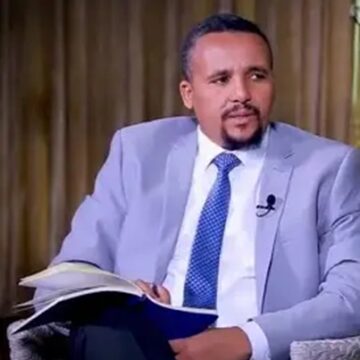
Addis Ababa (WDN)- Ethiopia, which has been involved in Somalia’s affairs since the collapse of the Somali central government in early 1990s, and later became part of the African Union peacekeeping forces stationed in many parts of Somalia, particularly with a strong presence in the South West State, has prompted many people to question the...
Minister Hassan Eelaay Delivers a Measured speech Following the Capture of Baidoa
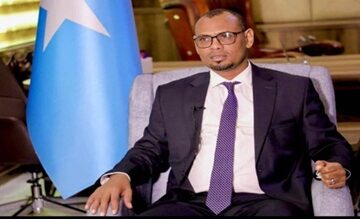
Baidoa (WDN) – Somalia’s Federal Minister of Livestock, Hassan Eelaay, who has played a key role in the federal forces’ capture of Baidoa, has delivered a measured and widely noted address in the city today., following recent political developments and a shift in administrative control in the city. Speaking in the Maay dialect, Minister Eelaay...
How China’s Cities Went Bankrupt and Why No One Saw It Coming: Part I
By Abdikarim Haji Abdi Buh By the time the streetlights went dark, the illusion was already over. Let’s begin with a question that sounds like the setup to a bad joke: how does a city go bankrupt in a communist country? After all, China is supposed to have a firm grip on everything—from banks to...
Africa is hurting again from a global crisis it had no part in starting
LAGOS, Nigeria (AP) — Lagos taxi driver Adegbola Isaac went to the gas station twice last weekend. Each time, the price in the Nigerian city had climbed further and hit 1,350 naira ($0.99) per liter, a nearly 35% increase since the Iran war started. That’s wiped out most of his daily profit. “It is hitting hard,” Isaac...
Somalia’s Political Class and the Fate of the State, 1925–Present: A Strategic Historical Analysis
The Making of Somalia’s Political Class, 1925–1960: Colonial Mediation and the Selection of Leadership- Part I By Abdisaid M. Ali This essay is the first in a three part series on three decisive episodes in Somalia’s modern history and the conduct of the leaders, politicians, and policymakers who shaped each of them. The first examines...