
By Abdirisak Abdulkadir Ibrahim
After recurrent delays of rain during the last few years, mild rainfalls “Gu’’ have been reported in some parts of northeastern region of Ethiopia between May to June 2022. The recent arrival of Gu’ rainfalls in Agaare settlement in reserve area straddles over Ethiopia-Somalia border, attracted a huge inflow of Somali pastoralists migrating from different areas of Puntland desperately searching for pasture and water. This article reflects how the current pastoralists immigration dynamics can reciprocate existing conflicts in Agaare and or flare up fresh ones. The aim is to alert conflict risk and inform decision-maker to initiate timely responses to prevent violent conflict escalation in the area.
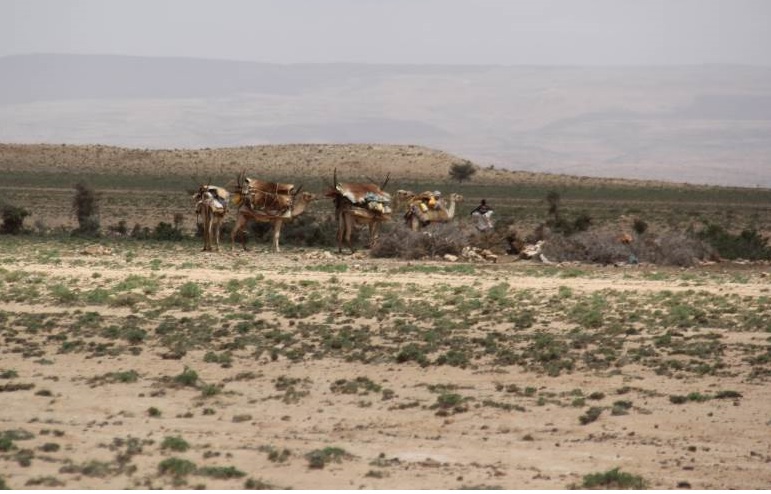
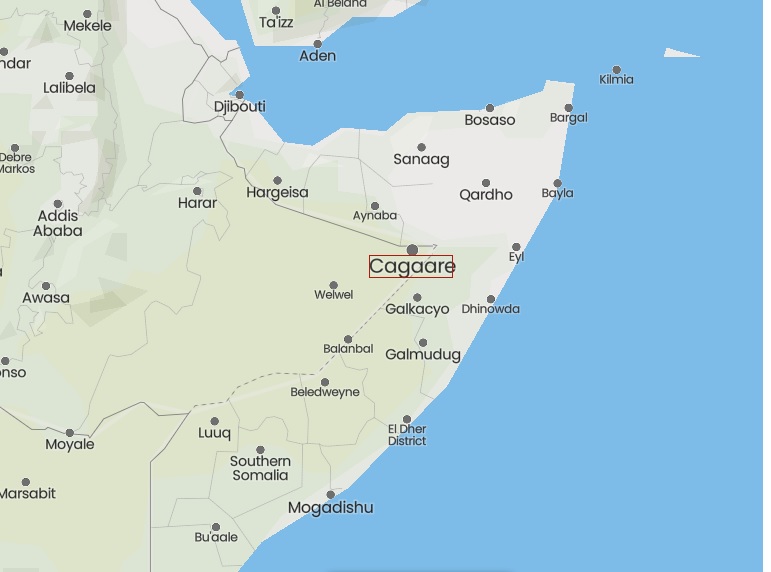
Agaare is a prosperous grazing site and rural settlement inside the neighbouring Somalia region of Ethiopia that borders with Burtinle and Las-Anod districts of Nugal and Sool regions of Puntland state of Somalia. The area is known as conflict borne reserve and is generally inhabited by nomadic livestock herders. Pastoralist communities have been feuding in this rich pastoral enclave for decades.
Persistent communal conflicts have been occurring in this area since 1985[1]. At the heart of the conflict exists a struggle to gain access to limited resources—water and grazing sites; resources that ensure the survival and wellbeing of each of the pastoralist communities.
Ungoverned competition for resources often leads to conflict between otherwise harmonious neighbours. This poor governance is due to the geographical condition-at the border, periphery and negligence of both Somali region of Ethiopia and Puntland State of Somalia. This kind of conflict is neither first in occurrence nor unique to the Agaare community, in particular and in Somalia or Ethiopia in general. Persistent communal conflicts among pastoralist communities need to be considered in long-term local, national and regional plans for development and peace sustainability.
The recent rains precipitated a massive exodus to Agaare and surrounding grazing fields. Advancements in the acquirement of technology and logistics among pastoral communities enabled the rapid relocation of a multitude of pastoral families and their livestock to the rich meadows that had received the rains. Pastoralists used heavy-trucks to transport their livestock and households to the rained meadows of Agaare. Approximately 40 to 50 trucks loaded an average of two families and 250 heads of livestock come to the area everyday; since the rains were received.
The location had already been populated sufficiently by pastoralists and their livestock prior to the massive relocation from neighbouring communities. This phenomenon in light of the prevalent animosities and blood feuds among local inhabitants, is a red flag for potential conflict- the potential for the old flames of previous conflicts being rekindled, is very high. To avert confrontations among Agaare pastoralist communities, Ethiopia and Puntland state should take immediate collaborative response to the matter before it becomes too late.
Abdirisak Abdulkadir Ibrahim
Email: abdirizek99@gmail.com
——-
[1] PDRC, 2008. Retrieved from https://pdrcsomalia.org/Publications/the-search-for-peace-the-puntland-experience-a-bottom-up-approach-to-peace-and-state-building/