
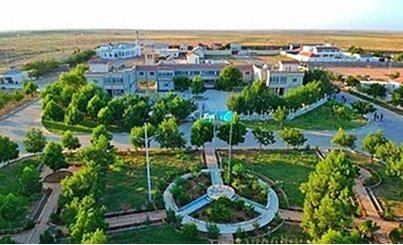
Government employees reportedly went eight months without pay this year, raising fears that prolonged salary delays could push an already strained civil service towards a breaking point.
GAROWE, Puntland (WDN) — Puntland’s civil servants are facing mounting financial hardship after going for months without salaries, according to officials from the regional Ministry of Labour and Social Affairs, who have warned that prolonged non-payment could lead employees to abandon their posts.
WardheerNews has reported in August 31, 2026, that “What began as delayed payments has evolved into a prolonged hardship for civil servants and their families, raising growing concerns about the government’s failure to honor its basic obligations to the people who keep its institutions running.”
The situation is becoming increasingly troubling, as civil servants have gone without salaries for more than a year and are growing increasingly vocal in demanding answers and accountability from the government.
The minister and deputy minister of Labour and Social Affairs told Puntland Parliament’s Social Affairs Committee that government employees had not received their salaries since the beginning of the fighting in the Calmiskaad Mountains. They expressed concern that workers could eventually leave their jobs if the situation continued.
The officials said responsibility for paying government salaries rests with Puntland’s Ministry of Finance, leaving their ministry unable to resolve the problem directly. But the salary crisis appears to extend well beyond the latest security operations.
Civil servants have reportedly endured repeated and prolonged payment delays for much of the past four years or longer. This year, some employees reportedly went eight consecutive months without receiving their salaries, while previous years were marked by similar difficulties.
What should be an exceptional administrative failure has increasingly become a pattern of life for government employees—one that threatens household stability, public service delivery and confidence in Puntland’s institutions.
Families Paying the Price
For civil servants, months without wages mean far more than a delayed payment on a government ledger. Employees must still pay rent, cover school fees, buy food, meet transport costs and support their families, regardless of whether the government pays them.
Prolonged salary arrears can leave workers dependent on relatives, borrowing or other informal sources of support. Families with children in school face the risk of falling behind on fees, while tenants may struggle to keep their homes. The uncertainty also makes it difficult for employees to plan even the most basic household expenses.
The burden falls especially heavily on workers whose government salaries are their principal source of income. Unlike senior officials who may have other resources, many ordinary employees have little financial protection when wages stop arriving for months at a time.
The result is a growing question of fairness: how can a government expect its employees to report for duty, serve the public and maintain essential institutions when it repeatedly fails to meet its most basic obligation to pay them?
Security Pressures Cannot Become a Permanent Excuse
Puntland officials have previously cited the financial burden of fighting militant groups, including operations in the Camiskaad Mountains, as a reason for pressure on public finances. Security operations are costly, and the government may face genuine budgetary constraints.
However, a prolonged salary crisis requires more than explanations. Employees cannot indefinitely absorb the cost of the government’s financial difficulties, particularly when non-payment becomes a recurring feature rather than a temporary emergency.
The Ministry of Labour and Social Affairs’ warning that workers may abandon their jobs should be treated seriously. If unpaid employees begin leaving public service or reducing their availability, the consequences could extend to schools, health facilities, administrative offices and other essential services.
A civil service cannot function effectively on promises alone. Regular salaries are essential to retaining qualified staff, maintaining morale and ensuring continuity in government operations.
An Urgent Test for Puntland’s Government
Puntland’s authorities need to address the crisis through a transparent plan that establishes the full amount of outstanding salary arrears, identifies the resources available for payment and sets a credible timetable for settling the debt.
The Ministry of Finance should explain the scale of the arrears and the reasons for repeated delays, while the government should make clear how future salaries will be protected from prolonged interruptions. Parliament, in turn, has a responsibility to scrutinise the budget and demand concrete answers from the relevant ministries.
If the government cannot pay all outstanding salaries immediately, it should communicate openly with employees and provide a realistic payment schedule rather than leave families in indefinite uncertainty.
The warning signs are clear: Puntland cannot expect its civil servants to remain indefinitely patient while their livelihoods deteriorate. Eight months without pay is not a minor administrative delay; if confirmed across affected employees, it represents a serious failure of public financial management with direct human consequences.
The government must act before frustration turns into widespread absenteeism, resignations or the collapse of morale across public institutions. Civil servants have families to feed and obligations to meet. Paying them is not an act of generosity—it is a fundamental responsibility of government.
Puntland’s leadership should treat the salary crisis as an urgent matter of public accountability and human dignity. If the practice continues, the consequences will be borne not only by unpaid employees but also by the citizens who depend on the services they provide.
WardheerNews
Leave a Reply