
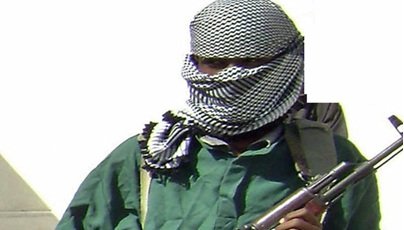
Civilian vehicles struck in Lower Shabelle as militants sustain attacks on major highways; Puntland reports killing two suspected bomb-makers ahead of a new offensive in the Calmadow Mountains.
MOGADISHU, Somalia (WDN) — A pair of roadside bombings targeting civilian transport in southern Somalia has left multiple people dead and others wounded, underscoring the dangers facing travelers on highways that pass-through areas where Al-Shabaab maintains a persistent presence beyond major urban centers.
The first explosion struck a passenger vehicle travelling from Mogadishu towards Baidoa, the capital of Bay region, between Waraaboole and Doonka in Lower Shabelle. The vehicle was reportedly devastated by the blast. A local resident quoted by Shabelle TV said only the driver and a woman survived, while the other passengers were killed or injured. The precise death toll was not immediately established.
A second explosion hit a Fekon motorcycle travelling towards Afgooye. The motorcycle carried two passengers and a driver, all three of whom reportedly died at the scene, according to local sources.
Security forces and civilians arrived to assist the victims. The area has previously seen operations by Somali government troops and attacks attributed to Al-Shabaab, which has continued targeting government forces and African Union Support and Stabilization Mission in Somalia (AUSSOM) personnel moving along major roads in the region.
The bombings illustrate a wider security challenge: although government forces and international partners maintain a presence in key towns and conduct operations across the country, Al-Shabaab continues to operate in rural areas, threaten transport routes and impose risks on communities beyond the main urban centres.
Rural influence and the limits of government control
Al-Shabaab’s reach extends beyond direct territorial control. Its ability to plant roadside explosives, stage ambushes and threaten movement along important routes allows the group to disrupt commerce and civilian travel even where government forces are present.
Across parts of Somalia, the contrast between control of urban centres and security in surrounding rural areas remains significant. The government’s presence in a town does not necessarily mean that nearby villages, roads and countryside are secure. Al-Shabaab has exploited these gaps to sustain pressure on security forces and undermine public confidence.
The latest incidents do not, by themselves, establish the group’s precise territorial control in Lower Shabelle. They nevertheless demonstrate how the threat persists along roads linking Mogadishu with other major population centers.
Puntland prepares a new offensive
In Northeastern Somalia, Puntland authorities said their forces killed two suspected Al-Shabaab members near Galgala in the Calmadow Mountains of Bari region. According to a statement issued by the Puntland government, the men were allegedly planting landmines along roads and in surrounding areas.
The operation followed a separate mine explosion near Galgala the previous day that struck a vehicle carrying Puntland security personnel, killing one person and injuring two others, according to the authorities.
Puntland said it was preparing Operation Onkod, a campaign targeting Al-Shabaab fighters operating in the Calmadow Mountains. The announcement signals an effort to prevent the group from using the rugged terrain as a base for planting explosives and threatening nearby communities and security forces.
The results of the planned offensive remain to be seen. Experience across Somalia has shown that killing individual fighters or clearing particular locations may not be enough to secure an area permanently unless military operations are followed by sustained security, functioning local administration and protection for civilians.
The latest bombings in Lower Shabelle and the reported operation in Puntland highlight the geographically dispersed nature of Somalia’s security challenge. Al-Shabaab faces pressure from government and regional forces, yet it continues to exploit rural terrain and vulnerable transport routes.
For civilians travelling between towns, the immediate consequence is a continuing risk of death and injury. For Somali authorities, the challenge is broader: translating military operations into lasting control of roads and rural communities, so that security in major towns is no longer surrounded by insecurity in the countryside.
WardheerNews
Leave a Reply