By Abdullahi A. Nor In Mogadishu, a familiar and corrosive pattern is resurfacing—one that has haunted Somalia’s political journey for decades. Faced with the immovable reality of constitutional term limits, President Hassan Sheikh Mohamud is reportedly not turning inward, to his people or to Somali institutions, but outward quietly seeking reassurance and backing from foreign...
Kismayo Conference and Somalia’s Constitutional Crossroads
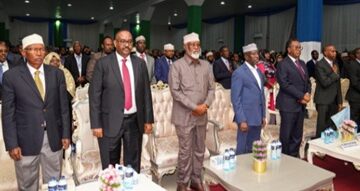
By Nur Hassan Gure (Nurdin) Somalia’s political landscape has entered a critical phase, and the recent Kismayo Conference should be understood not as a routine opposition gathering, but as a signal of deeper structural tensions within the state. The conference reflected a growing conviction among a wide spectrum of political actors that the country is...
Bad road makes life difficult for farmers in Calmadow and Galgala, Bari region
(ERGO) – The lack of roads is having an economic and livelihood impact on hundreds of farmers living in areas under the Calmadow and Galgala mountains in the Sanaag and Bari regions. These people have no way to transport their crops harvested over the past three months. This problem was caused by landslides and landslides in...
Somalia’s Capital Votes in First Step Toward Restoring Universal Suffrage
MOGADISHU, (Reuters) – Residents of Somalia’s capital Mogadishu will vote on Thursday in municipal elections meant to pave the way for the East African country’s first direct national polls in more than half a century. With the exception of votes in the semi-autonomous region of Puntland and the breakaway region of Somaliland, Somalia last held...
The Mirage of One-Person, One-Vote: A High-Stakes Gamble in Somalia
By Abdiqani Haji Abdi The rhetoric echoing from Villa Somalia today speaks of a democratic awakening. Senior officials describe a decisive break from the long-maligned “4.5” clan-based system toward the global gold standard of One Person, One Vote (OPOV). President Hassan Sheikh Mohamud has framed the shift as inevitable, overdue, and historic—a necessary leap into...
Al-Shabab extremists are greatest threat to peace in Somalia and the region, UN experts say
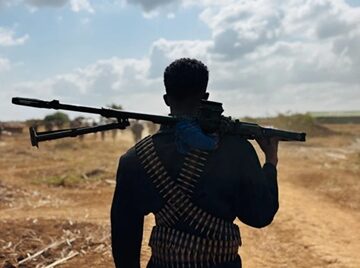
UNITED NATIONS (AP) — The al-Shabab extremist group remains the greatest immediate threat to peace and stability in Somalia and the region, especially Kenya, U.N. experts said in a report released Wednesday. Despite ongoing efforts by Somali and international forces to curb operations by al-Qaida-linked al-Shabab, “the group’s ability to carry out complex, asymmetric attacks in Somalia remains...
Trump’s recall of ambassadors compounds staffing problems at posts in Africa
WASHINGTON, (Reuters) – U.S. President Donald Trump’s mass recall of ambassadors will leave Washington without top-level presence in more than half of the countries in sub-Saharan Africa, complicating America’s efforts to push its agenda in a region that has faced military coups and devastating conflicts in recent years. Since taking office, the administration has worked...
Who Really Decides Education Policy in Ethiopia?
By Faysal OmerMember of Parliament, Somali Region Standfirst Recent report claims that an opposition party is independently running Ethiopia’s education system have drawn international attention. But beneath the headlines lies a constitutional reality often misunderstood outside the country: in Ethiopia, as in most democracies, national education policy is set by state institutions—not by political parties...
Puntland at a Forced Political Crossroads
By Abdisaid M. Ali The declaration issued in Kismayo was neither defiance nor a tactical feint. It was the predictable outcome of a political order in which Fthe channels of consent have been steadily stripped of meaning. Somalia’s federal system was conceived as a negotiated political settlement among political equals emerging from collapse. It is...
Somalia’s debt revival must be built on law, not expediency
By Abdullahi A. Nor After decades of state collapse, conflict, and economic calamity, Somalia was left with an unsustainable debt burden largely accumulated before 1991, cutting it off from international finance and development support. Arrears to creditors constrained recovery, basic service delivery, and responses to recurring humanitarian crises. Through sustained economic and governance reforms, Somalia...