
By Ebenezer Mensah
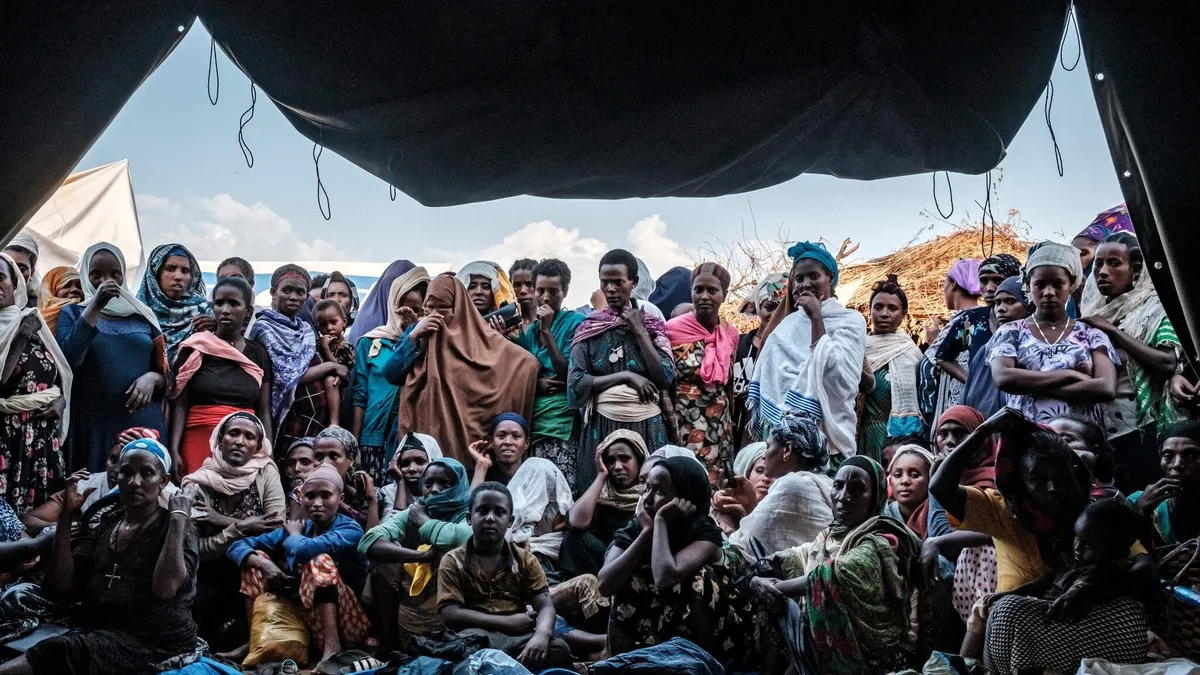
The United Nations High Commissioner for Refugees (UNHCR) has pinpointed conflict and climatic shocks as the crux of Ethiopia’s escalating humanitarian crisis. Over the past ten months, an amalgamation of insecurity, intercommunal conflicts, and climatic anomalies have amplified the East African nation’s predicament.
Conflict and Climatic Shocks: A Lethal Combination
Conflicts raging in the Amhara region have impeded access to vital aid for displaced and returning communities. Economic challenges, such as inflation and decreased purchasing power, pile onto this already precarious situation. The crisis has reached an alarming point where nearly 265,000 internally displaced people are crammed into overpopulated centers. This overcrowding has given rise to privacy and security concerns, particularly for susceptible groups like women and girls.
Children and Water Crisis in East Africa
The humanitarian crisis extends beyond the realm of conflict to touch upon issues of water scarcity and hunger, both of which are exacerbated by climate change. Vulnerable children bear the brunt of this climate-induced crisis, with regions like the Middle East and North Africa grappling with acute water shortages. Food insecurity in East Africa, fueled by conflict and climatic shocks, further underscores the severity of the situation.
Conflict and Climate Shocks Beyond Ethiopia
The ripple effects of conflict and climate shocks are palpable beyond Ethiopia’s borders. The suspension of the African Union troop pullout from Somalia, due to ongoing skirmishes with militants, and the warning of an impending humanitarian catastrophe in Somalia owing to flooding, are stark indicators of the wider regional implications. The global impact of climate change, with climate-induced humanitarian crises unfolding in several countries, provides a broader context to this intricate narrative.
Source: bnn