By ALEXANDRA THOMPSON A natural sugar found in honey could prevent heart attacks, new research suggests. The sugar, known as trehalose, activates a protein that causes immune cells to remove fatty plaque from arteries, the study found. Trehalose was found to reduce the size of plaque in mice by around 30 percent. Plaque builds up...
November 27, 2026

Category: Health & Social Affairs
Post
Ten reasons you can’t fall asleep: Checking Facebook in bed, mid-afternoon espresso and even when it’s a FULL MOON
1. YOU’RE CHECKING FACEBOOK IN BED Using a smartphone or tablet can keep you up longer than intended, as it emits a high concentration of blue light which delays the release of sleep-onset hormone melatonin. A 2014 Harvard study which compared reading on devices and printed books found that those who used tablets took longer...
Post
Speaker says vaccines and autism may be linked, a view denied by public health officials
Activist drew a crowd of 90 mostly Somali parents even as measles outbreak continues. By Erin Adler JEFF WHEELER Ikram Mohamed told the audience that she has five children and has chosen to delay the vaccinations of four of them over fears of a link to autism. A national speaker who believes there are links...

Post
Struggle to sleep? Be careful of a heart attack: Study finds a 27% link between insomnia and the deadly event (and women are most at risk)
By STEPHEN MATTHEWS Whatever you do tonight, make sure you get a good night’s sleep. Tossing and turning during the night raises the risk of heart attacks and strokes, scientists warn. Those who struggle to shut their eyes have a 27 per cent higher chance of either deadly event, research shows. And experts believe women...

Post
Drink TEA to prevent type 2 diabetes: Compounds found in leaves help block sugar from being absorbed into the bloodstream
By STEPHEN MATTHEWS Consuming the popular beverage helps to smooth out spikes in blood sugar levels that are triggered by snacking on sweet treats, scientists claim Drinking tea could help to prevent type 2 diabetes, scientists claim. Consuming the popular beverage helps to smooth out spikes in blood sugar levels that are triggered by snacking...
Post
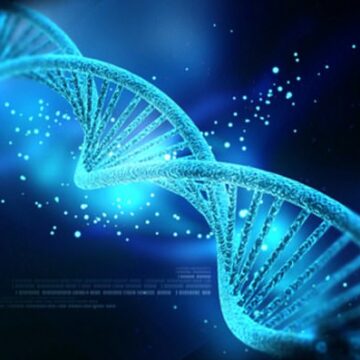
Would YOU choose to live forever? Age-reversing pill that Nasa wants to give to astronauts on Mars will begin human trials within six months
By HARRY PETTIT Scientists have made a discovery that could lead to a revolutionary drug that actually reverses ageing. The drug could help damaged DNA to miraculously repair and even protect Nasa astronauts on Mars by protecting them from solar radiation. A team of researchers developed the drug after discovering a key signalling process in...

Post
Don’t want dementia? Turn the kettle on: Just ONE cup of tea a day lowers the risk of toxic clumps forming in the brain
By STEPHEN MATTHEWS There’s never been a better reason to switch the kettle on. Drinking a cup of tea each day may substantially lower your risk of dementia, new research suggests. Consuming the popular beverage reduces the chances of getting the debilitating disease by 50 per cent, scientists found. While those carrying the ‘dementia gene’...

Post
How coffee could protect you from dementia: Caffeine helps to boost enzyme that shields you from the disease
By MARY KEKATOS That morning cup of coffee could do more than just wake you up. Caffeine can also protect you against the debilitating effects of dementia, a new study has revealed. Scientists say the drug boosts the power of an enzyme in the brain that protects neurons and fights misfolded proteins. Currently, 47.5 million...

Post
In pain? Read a book: Study finds enjoying literature can help to relieve chronic discomfort
By JAMES DRAPER Reading has long been known for its entertainment value. But researchers now believe that it could also help to treat chronic pain for millions of people. Regularly consuming literature has similar effects to the brain as the popular cognitive behavioural therapy (CBT), scientists claim. By triggering older, happier memories, books can help...
Post
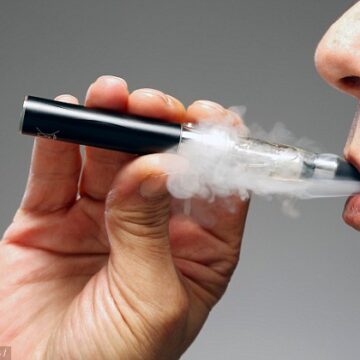
Do you use e-cigarettes? You may be at greater risk of a STROKE: Exposure to vapors damages chemicals in the brain
By STEPHEN MATTHEWS We’ve just been told that e-cigarettes are the safest way to smoke. But new research suggests that vapers are actually more likely to have a stroke than tobacco users. In a study on mice, exposure to the chemicals in the popular gadgets increased the risk of deadly blood clots by damaging the...