By Markus Virgil Hoehne In an opinion piece published by E-InternationalRelations entitled “Is Somaliland Defying the Odds, or Are the Odds Based on a Flawed Premise?” Jamal Abdi attempts a new interpretation of Somaliland’s gestation. On the one hand, he distances himself from colonial anthropology, represented by the work of Ioan M. Lewis, which suggests...
Distorted Leadership Styles in the Horn of Africa
By Adan Makina Does good leadership call for meddling in the affairs of others, dismembering, killing, displacing, and looting of the personal properties of the innocent? I don’t think so. Then, what is leadership in the real sense? Peter G. Northouse (Ph.D., University of Denver)[i] who is professor of communication in the School of Communication...
The Ankara Declaration and Its Implications for Somali Sovereignty and Regional Relations
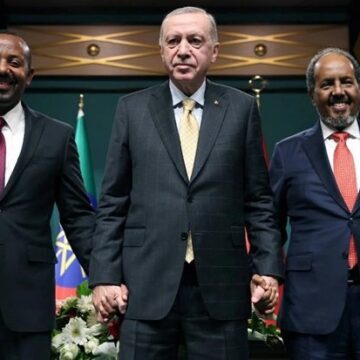
By Bashir M. Sheikh-Ali, J.D The Ankara Declaration, signed between Somalia and Ethiopia with facilitation from Turkey, represents a significant step in diplomatic relations but carries complex legal and sovereignty implications. While the document emphasizes mutual respect for sovereignty, territorial integrity, and a cooperative spirit, its consequences could impact Somalia’s maritime rights and its obligations...
Restoring Vital Trade Corridors: A Path to Somaliland’s Economic Recovery
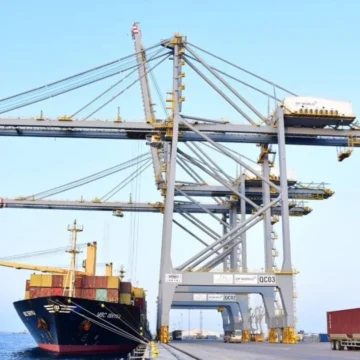
By Abdiqani Haji Abdi The Lasanod war, concluded a year ago as part of the broader SSC conflict, marked a defining moment for Somaliland, both politically and economically. One of its most devastating outcomes was the loss of the critical trade corridor through Lasanod, a lifeline that historically supported up to 75% of Somaliland’s bulk...
Analyzing U.S.-Somalia Diplomacy: Insights from the 1976 Meeting and Strategic Missed Opportunities
By Hassan A. Shire Foreword The 1976 U.S.-Somalia diplomatic meeting stands as a crucial episode in Cold War-era diplomacy. Somalia’s positioning as a Soviet-aligned state amid U.S. strategic interests in the Horn of Africa created a unique and complex challenge. This report delves into the failed opportunities and strategic missteps that prevented meaningful collaboration at...
An Open Letter to the President of the FGS Hassan Sheikh: Urgent Appeal for Change in Leadership to Ensure Somalia’s Stability and Future
By Abdullahi A. Nor Your Excellency, I write to you with thoughtful concern regarding the state of our nation under your leadership. When you were in opposition, your words carried the promise of seasoned leadership, inspiring hope among the Somali people. However, over the past two and a half years, the reality of your governance...
Five significant lessons from the Somaliland elections 2024
By Mohamed M Jaaj Elections are fundamentally risky associated project and should not be overlooked. Indeed, especially in the case of elections in underdeveloped countries. While some nations strive for development and nation-building, many face unforeseen obstacles throughout their election processes. With regard to elections in Africa, multiple concerns arise. We have observed elections in...
The Memory of 1991, A Nation’s Struggle and the Risk of Reliving Dark Days
By Dayib Sh. Ahmed The year 1991 remains a defining and tragic chapter in Somali history, marked by chaos, violence, and profound suffering. The collapse of the central government plunged the nation into a devastating civil war, claiming countless lives and displacing millions. This pivotal moment not only dismantled the Somali state but also shattered...
The Looming Shadow of an Afghanistan-Like Scenario in Somalia
By Abdullahi A. Nor Somalis had high hopes for Hassan Sheikh Mohamud’s second term, envisioning a leader who could unify the nation, combat corruption, and advance democratic governance. Instead, many believe he will be remembered as the only president whose tenure symbolized the culmination of corruption, tribalism, and an obsession with power, tarnishing the legacy...
Was lifting Somalia’s arms embargo a mistake?
By Hon. Hassan Ugas MP In January 1992, Security Council Resolution 733 established an arms embargo on Somalia in reaction to the ongoing conflict and deteriorating humanitarian situation. Subsequent resolutions amended multiple times eased the restrictions and allowed the importation of some specific weapons and other related materials to combat terror organizations. For instances, UN...