By Hussein M. Yusuf If there is one thing that has remained consistent in Raila Odinga’s political career, it is his resilience in the face of defeat. Over the past three decades, he has contested and lost multiple elections, faced betrayals, and navigated political storms that would have ended the careers of many. But for...
Why the African Union Summit Avoids Discussing the Arab Slave Trade? – A rejoinder
By Abdikarim H Abdi Buh The recently concluded 38th African Union (AU) Summit in Addis Ababa placed a strong emphasis on reparatory justice for Africans and people of African descent. Leaders passionately called for compensation from former European colonial powers for the transatlantic slave trade and its long-lasting effects on Africa’s development. However, amid these...
Somalia’s Billion-Dollar Miraa Addiction: A Nation Bleeding Cash to Kenya
By Abdinur Jama (Gees) Kenya’s recent decision to double the price of Miraa (Khat) has sent shockwaves through Somalia’s already fragile economy. This policy change not only exposes the shortcomings in trade strategies and economic priorities but also lays bare the political elite’s complicity in sustaining an unsustainable dependency. For decades, Somalia has been one of the...
Somalia at a Junction: Repression, Corruption, and the Betrayal of a Nation
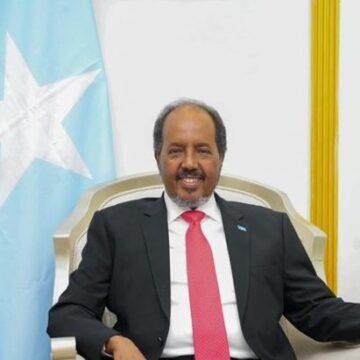
By Abdiqani Haji Abdi In the heart of Mogadishu, where the ruins of past conflicts stand as solemn reminders, a new storm is brewing—one not of war, but of unchecked power and silent betrayals. President Hassan Sheikh Mohamud, once seen as a beacon of hope, has turned his tenure into a reign of political suppression,...
Federalism Fractured: The Livestock Controversy and Somalia’s Future- Part II
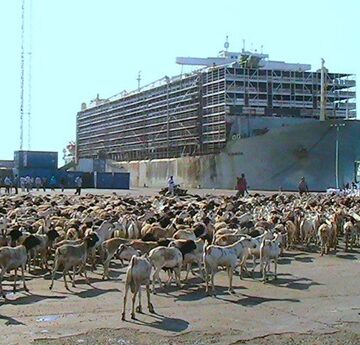
By Isha Qarsoon[1] Somalia, a nation whose economy pulses with the rhythm of pastoral life, finds itself once again entangled in a governance crisis that cuts across federalism, corruption, and economic mismanagement. The controversy surrounding President Hassan Sheikh Mohamud’s decision to grant exclusive livestock export rights to a Saudi (or Yemeni, according to some) businessman,...
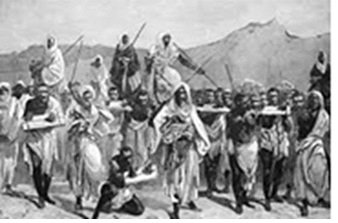
The Arab Slave Trade: A Forgotten Chapter in African History
By Mohamed A Yasin For centuries, the history of human enslavement has been largely defined by the transatlantic slave trade, a brutal system that forcibly transported millions of Africans to the Americas. However, an equally harrowing, yet often overlooked chapter of history is the Arab slave trade. This centuries-long system, which predated European involvement, left...
Does Somalia’s House of the People Really Have Whips?
By Hon; Abdirashid Jire Qalinle A Deep Dive into Power Abuse, Corruption, and the Need for Urgent Reform Does the House of the People have Whips? The answer seems foolproof. Our MPs weren’t elected by the people through political parties but were handpicked by clan elders. As a result, our Parliament cannot have a whip...
Puntland’s Success Against ISIS and a New Model for Somalia
By Mohamed Fatah In late December 2024, the semi-autonomous region of Puntland launched Operation Hilac (Operation Arrow), a decisive campaign against the Islamic State in Somalia (ISS) aka Daesh that has since become a textbook example of effective counterterrorism. While the Somali federal government in Mogadishu continues to flounder in its war against al-Shabaab, Puntland...
Restricting Civil Space While Promoting Elections: A Contradiction in Somalia
By Jamal Mohamoud The Somali government plans to conduct one-person-one-vote local elections in June 2025, marking a significant milestone in the country’s democratic journey. However, its simultaneous crackdown on civil space raises concerns about the credibility of this electoral process. While elections should be an avenue for broader political participation, restrictive measures such as limiting...
The cost of failing state provision of affordable health care: The case of Somalia
By Ali Haji Warsame Historical Perspective Somalia inherited a basic post-colonial health care system that focused on curing diseases rather than preventing them. Most rural and nomadic populations had limited access to essential health care. From the 1960s to the 1970s, health care services and access improved, including the training of health care professionals...