
By Wilo Abdulle Osman
In rural Somalia, livestock is a vital economic and social asset, often serving as a family’s primary source of livelihood. Historically, Somali communities relied on strong traditions of mutual assistance, cooperation, and customary law (known as xeer) to resolve disputes and manage shared resources, including grazing lands and water points. These systems fostered a sense of collective responsibility and interdependence, ensuring that conflicts over livestock were often resolved through negotiation and mediation rather than violence. However, decades of political instability, environmental pressures, and the erosion of traditional governance structures have weakened these mechanisms, leaving communities more vulnerable to the impacts of clan-based violence.
Women and children bear the brunt of these conflicts in profound and often overlooked ways. While men are frequently drawn into the cycle of violence, either as combatants or as defenders of clan interests, women are left to shoulder the immense burden of caring for children, managing households, and rebuilding livelihoods in the aftermath of war. Displaced by violence, many women face the added challenge of navigating precarious living conditions, often in overcrowded camps or unfamiliar territories, where access to basic resources like food, water, and healthcare is severely limited.
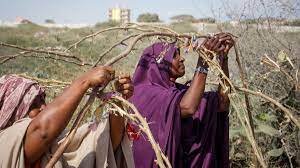
Despite the challenges posed by ongoing conflicts, rural Somali women have demonstrated remarkable strength and adaptability. Their use of mobile technology and informal networks has enabled them to mitigate conflict risks. However, the lack of formal recognition and support for their efforts limits their impact.
A case study conducted in Galmdudug on the critical role of rural nomadic Somali women play in mitigating conflict risks and recovering livestock in conflict-affected areas in 2025, highlights how women use traditional practices, mobile technology, and informal networks to address challenges posed by clan conflicts. The study underscored the importance of traditional gatherings (dhowrto) in discussing family issues, food shortages, and child protection, where women would support one another in times of need.
The narratives gathered from the women interviewed and the broader context of rural nomadic Somali women’s experiences highlight their crucial role in mitigating conflict risks and recovering livestock. While traditional practices of support and cooperation have been compromised by ongoing conflicts, women have demonstrated remarkable adaptability and resourcefulness. By leveraging mobile technology and maintaining communication networks, they continue to assert their agency in reclaiming lost assets. However, the need for formal recognition and support for women’s roles in these processes is more urgent than ever. Strengthening community ties and establishing formal systems for conflict resolution will not only empower women but also foster greater stability and cooperation within these communities.
The experiences of rural nomadic Somali women, as shared by study groups, further illustrate their critical role in mitigating conflict risks and recovering livestock. While traditional practices of support and cooperation have been disrupted by ongoing conflicts, women have adapted by leveraging mobile technology and informal networks. To strengthen peaceful cooperation and support in rural communities, it is essential to formalize women’s roles in conflict resolution and peacebuilding. By implementing innovative solutions, such as mobile reporting systems and community awareness campaigns, and reviving traditional support systems, communities can foster greater stability and cooperation.
Empowering women as key players in conflict prevention and recovery efforts will not only enhance their agency but also contribute to a more peaceful and supportive environment for all members of society. The insights from this case study underscore the importance of recognizing and supporting the contributions of women in peacebuilding efforts, as they are often the backbone of community stability in the face of adversity.
To strengthen peaceful cooperation and support in rural communities, a multi-faceted approach is essential. Implementing a mobile reporting system, enhancing community awareness, utilizing local media, and improving access to resources like electricity are all critical steps. By fostering an environment of communication and vigilance, communities can better prepare for and respond to potential conflicts. Increasing awareness of security and promoting cooperation will further solidify these efforts, ultimately leading to a more peaceful and supportive and protective rural environment.
To address the challenges faced by women in conflict-affected areas, it is essential to recognize their role as vital informants and peacebuilders. By fostering community engagement and supporting women’s organizations, societies can create a more robust framework for conflict prevention. Reviving community systems like the Friday gatherings could enhance solidarity and information sharing, ultimately contributing to a more peaceful environment.
The study outcome emphasizes the critical need for innovative solutions to enhance community safety and mitigate conflict in rural areas. By advocating for the use of mobile technology to create a free reporting system, it seeks to empower individuals to take proactive measures against potential threats. This approach not only facilitates immediate communication but also fosters a culture of vigilance and collaboration within the community.
Moreover, the recognition of women’s unique role in conflict situations highlights their potential as vital informants and peacebuilders, especially in the context of cross-border marriages. By organizing formally, women can leverage their knowledge and connections to bridge divides and promote peaceful coexistence.
The emphasis on community engagement through initiatives like local radio promotion underscores the importance of raising awareness and educating residents about available resources and reporting mechanisms. Additionally, addressing the infrastructure needs of nomadic populations, such as access to electricity for charging phones, is crucial for supporting these communication efforts.
Ultimately, the decline of community systems, points to a pressing need to revitalize these networks to enhance fortitude against conflicts. By fostering a culture of safety and cooperation, communities can work together to prevent violence and support one another, thereby creating a more stable and secure environment for all members, especially women and children who are disproportionately affected by conflict.
Recommendations
1. Establish a Mobile Reporting System
Implement a cost-free mobile number for reporting conflicts, suspicious activities, and lost livestock.
2.Empower Women as Peacebuilders
Recognize and formalize the role of women in conflict mitigation and peacebuilding.
3 .Revive Traditional Community Systems
Reintroduce gatherings like “dhowrto” to foster community engagement and solidarity.
4. Promote Community Awareness
Educate community members about the importance of cooperation and vigilance in preventing conflicts.
5. Enhance Access to Resources
Provide rural communities with access to electricity to support mobile communication efforts.
Wilo Abdulle Osman
Email: Wilo.abdulle@gmail.com