
Al-Makha, Yemen (WDN) — At least seven people have reportedly been killed and dozens wounded after a missile and drone attack struck the western Yemeni port city of Al-Makha, or Mocha, in an assault that has renewed fears over the security of one of the world’s most strategically important maritime corridors.
Initial reports put the number of wounded at around 35, although casualty figures remain fluid. The Associated Press separately reported that at least 15 civilians were wounded in the attack.
The Houthi movement has claimed responsibility for the strike, which reportedly targeted the port and surrounding areas controlled by forces aligned with Yemen’s internationally recognized government.
Witnesses and local reports described multiple explosions in and around the port as missiles and unmanned aerial vehicles were used in the attack. Several facilities and sections of port infrastructure were reportedly damaged, although the full extent of the destruction remains unclear.
The attack sent residents scrambling for safety as emergency workers transported the wounded to medical facilities. The incident has also raised immediate concerns about the potential impact on commercial activity at the port and the movement of essential goods through the area.
A Strike with Regional Consequences
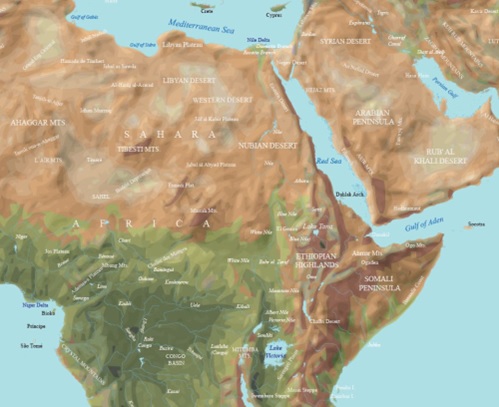
The significance of the attack extends far beyond the immediate casualties and damage. Al-Makha sits on Yemen’s western coast, close to the Bab al-Mandab Strait, the narrow maritime gateway linking the Red Sea with the Gulf of Aden. The waterway is a critical artery for international trade, connecting shipping routes between Asia, the Middle East and Europe.
Any sustained deterioration in security around Al-Makha or Bab al-Mandab could therefore have consequences far beyond Yemen’s borders.
The Red Sea has already become one of the world’s most closely watched maritime security zones following repeated attacks on commercial shipping and escalating regional tensions. Further attacks near major ports could increase insurance costs, disrupt shipping schedules and encourage more vessels to take longer routes around the African continent.
For a country already devastated by years of war and economic collapse, damage to critical port infrastructure could be particularly severe.
Yemen depends heavily on its ports for the importation of food, fuel, medicine and other essential commodities. Any prolonged disruption could therefore compound the humanitarian and economic pressures facing millions of Yemenis.
Houthis Claim Responsibility
The Houthis have acknowledged responsibility for the attack, placing it within a broader pattern of missile and drone operations conducted by the movement in Yemen and around the Red Sea.
The group has repeatedly used missiles and drones against what it describes as military, commercial or strategic targets linked to its regional adversaries. Its attacks have transformed the Red Sea into a major theater of the wider Middle Eastern security crisis.
The latest strike demonstrates that despite a reduction in some large-scale ground fighting inside Yemen compared with the most intense years of the conflict, the Houthis retain significant capabilities to launch long-range missile and drone attacks.
That capability remains a major concern for Yemen’s internationally recognized government, its regional partners and international shipping interests.
The Bab al-Mandab Factor
The location of the attack is particularly significant. Bab al-Mandab is one of the world’s most important maritime chokepoints. Thousands of commercial vessels pass through the broader Red Sea corridor, carrying energy supplies, manufactured goods and other commodities between major global markets.
When security risks increase, shipping companies can reroute vessels around the Cape of Good Hope. But that alternative comes at a price: longer voyages, higher fuel consumption, increased insurance premiums and rising transportation costs.
The consequences can eventually reach consumers far from the battlefield. For that reason, every major attack around Yemen’s western coastline is closely monitored by governments, militaries and shipping companies around the world. The Al-Makha attack comes amid renewed regional tensions and a broader escalation involving the Houthis and their opponents.
Reuters also reported that the Houthis carried out a drone attack targeting a facility associated with Saudi Aramco in Jizan, adding to concerns that the geographic scope of the confrontation could widen.
The combination of attacks on Yemeni infrastructure and targets beyond Yemen’s borders raises the possibility that regional rivalries could once again spill directly into critical maritime and energy corridors. That prospect is particularly concerning given the proximity of Al-Makha to Bab al-Mandab.
Yemen has endured political fragmentation and armed conflict since the Houthis seized control of Sanaa in 2014. The movement controls the capital and large parts of northern and western Yemen, while the internationally recognized government and allied forces control other parts of the country.
Although the intensity of ground warfare has declined from the worst periods of the conflict, the latest missile and drone attacks demonstrate that the war’s most dangerous dimensions have not disappeared.
The Houthis retain the ability to rapidly escalate tensions through attacks that can have consequences well beyond the battlefield.
For Yemen’s civilian population, the danger is immediate. For the international community, the concern is broader: the possibility that another cycle of escalation could once again threaten one of the world’s most important trade routes.
What Comes Next
The full human and material toll of the Al-Makha attack remains unclear. Authorities are expected to provide further information on the casualties, the identities of those killed and wounded, and the extent of damage to the port.
The response from Yemen’s government and its allies will also be closely watched.
For now, however, the attack serves as a stark reminder that Yemen’s conflict remains capable of producing sudden and devastating violence—and that events on its western coastline can quickly become a global security concern.
What happens around Al-Makha may ultimately matter far beyond Yemen. Just offshore lies Bab al-Mandab, a narrow passage through which the world’s economy moves. And when that passage becomes a battlefield, the consequences are rarely confined to the countries at war.
WardheerNews