
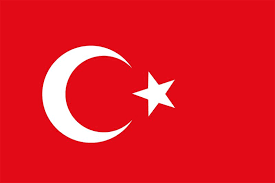
EYL (WDN) — Anger over Turkey’s growing military and political role in Somalia has spilled into the streets, with protesters in Puntland burning the Turkish flag and similar displays of hostility reported in Jubaland, reflecting growing opposition to what critics describe as Ankara’s increasingly close alignment with the Federal Government in Mogadishu.
In a coastal area near Eyl, Puntland, demonstrators burned the Turkish flag during a protest over the reported deaths of 13 people described by local residents as fishermen. The protesters accused Turkish forces of killing the men and demanded compensation for their families and for property they said was lost in the incident.
Local Puntland officials, including Nugaal Governor Abdulkadir Osman Samatar (Food-cade), Deputy Governor Mukhtar Farah Jeer and Gen. Muxyadin Ahmed Muse, participated in the demonstration. The protesters warned that further demonstrations would follow unless Ankara addresses their demands.
The incident is particularly significant because similar anti-Turkish sentiments have also surfaced in Jubaland, where the Turkish flag has reportedly been burned amid growing criticism of Ankara’s relationship with Mogadishu.
Taken together, the demonstrations suggest that the controversy surrounding Turkey is developing beyond a single maritime incident and becoming part of a wider political debate over foreign military influence and Somalia’s internal political divisions.
Turkish Military Role Under Scrutiny
The Eyl protest follows conflicting accounts surrounding the reported deaths of 13 fisher men off the Nugaal coast. The Federal Government has described the men as suspected pirates killed during an operation involving Turkish naval forces. Local protesters, however, insist that the victims were fishermen.
The circumstances surrounding the deaths, including the identities of those killed and the precise nature of the operation, is verified by the Puntland State.
But the dispute has already intensified public scrutiny of Turkey’s military presence in Somali waters, particularly in Puntland, where relations with the Federal Government remain politically sensitive.
From Security Partnership to Political Controversy
Turkey has become one of Mogadishu’s most important international partners, providing military training, equipment and broader security assistance to Somali forces. Yet Ankara’s relationship with the Federal Government is increasingly being viewed through the lens of Somalia’s political divisions.
Critics accuse Turkey of becoming too closely aligned with President Hassan Sheikh Mohamud’s administration and argue that Turkish military support risks becoming entangled in disputes between Mogadishu and rival Federal Member States.
They have also alleged that Turkish-supplied weapons and military capabilities have been used against political opponents and forces aligned with regional administrations. Those are allegations require independent verification. But the perception is becoming politically significant.
For critics of Mogadishu, the concern is no longer simply whether Turkey is helping Somalia fight Al-Shabaab and other security threats. It is whether a foreign military power is becoming an actor in Somalia’s internal political struggle.
Why Jubaland Matters
The reported burning of the Turkish flag in Jubaland adds an important dimension to the controversy. Jubaland has been involved in repeated political and security disputes with the Federal Government, particularly over control of security forces, federal authority and political influence in the region.
If anti-Turkish demonstrations emerge in both Puntland and Jubaland, that could indicate that opposition to Ankara’s role is increasingly connected to broader resistance to Mogadishu’s political strategy. The issue is therefore larger than Turkey itself.
It concerns whether foreign military partnerships are strengthening Somalia’s national institutions—or unintentionally strengthening one political center against its rivals.
A Growing Trust Problem
The burning of the Turkish flag in Puntland and Jubaland is consequently more than an expression of anger over individual incidents. It reflects a growing trust problem.
Turkey may regard its relationship with Somalia as a strategic partnership based on security, development and mutual interests. But if communities in different parts of Somalia increasingly perceive Turkish military assistance as support for the Federal Government’s political agenda, Ankara risks losing the image of neutrality that such a partnership requires.
A foreign partner can provide weapons, training and military assistance without becoming politically neutral in the eyes of the public. Perception matters—particularly in a country where political legitimacy is already deeply contested.
The Questions Ankara and Mogadishu Must Answer
The latest controversy raises questions that deserve clear answers. Who authorized the operation off the Nugaal coast? What exactly happened to the 13 men? Were they armed pirates posing an immediate threat, or fishermen caught up in a disputed military operation?
Was the operation conducted under a clearly defined Somali-Turkish legal framework?
And what safeguards exist to ensure that Turkish-supplied weapons and military capabilities are not used in Somalia’s internal political conflicts?
These questions matter because Somalia has legitimate security needs and requires international assistance. But that assistance must be transparent, accountable and governed by clear rules.
The Wider Political Stakes
The controversy comes as relations between Mogadishu and several Federal Member States remain strained over elections, constitutional amendments, security arrangements and the distribution of political authority.
Turkey’s expanding military relationship with the Federal Government carries unavoidable political implications.
For Puntland, Jubaland and other critics of Mogadishu, Ankara risks being seen not simply as a security partner but as a foreign power whose military support strengthens the federal government while Somalia’s political factions are confronting one another.
Whether that perception is justified will ultimately depend on evidence, transparency and Turkey’s own conduct. But the political warning is already visible.
When the Turkish flag is being burned in different parts of Somalia, Ankara should recognize that its Somalia policy is no longer being judged solely by the security assistance it provides. It is increasingly being judged by whose political power that assistance is perceived to strengthen.
Turkey’s partnership with Somalia remains strategically important. But if Ankara wants that partnership to endure, it must convince Somalis that its military relationship is with Somalia as a country—not with one political faction within it.
WardheerNews