
By Awes Osman
Throughout history, humanity’s pursuit of survival has often driven conflict and power struggles. Wars are rarely accidental; they are meticulously planned and executed, with nations vying for dominance and resources. Each century leaves its mark through its unique geopolitical struggles.
In the 19th century, Europe underwent a significant transformation. The continent capitalized on the industrial revolution, expanding aggressively through colonization and exploiting the resources and labor of other nations. Colonial powers competed fiercely for territories, leading to conflicts over the control of colonies. The 1884 Berlin Conference marked a pivotal moment with the partition of Africa, where European nations agreed to divide the continent among themselves. However, this agreement was short-lived as greed and ambition fueled subsequent conflicts over territorial disputes, igniting wars among colonial powers.
These divisions and conflicts inspired African nations to question their subjugation. The fight for independence gained momentum in the mid-20th century, culminating in the decolonization wave of the 1960s. African leaders and martyrs fought not only for sovereignty but also for the right to harness their natural resources and improve their peoples’ lives.
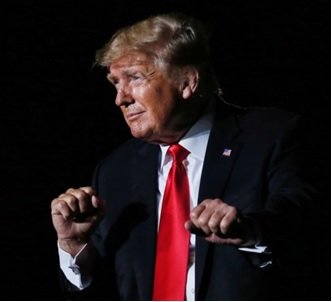
In every nation, groups vying for power seek control to achieve better living conditions. Similarly, U.S. President Donald Trump’s “America First” policy underscores a focus on national interests, emphasizing economic strength and superiority. His approach marked a departure from traditional diplomatic norms, making it clear that he prioritized American interests—often intertwined with his personal business ventures—above global or moral considerations.
This shift has significant implications. Trump’s policies have fostered a more materialistic and less humanitarian approach to international relations. His administration’s withdrawal from global aid agencies like UNICEF, UNDP, and UNHCR, coupled with reduced contributions to international organizations, threatens to destabilize global cooperation and potentially spark new conflicts.
Furthermore, Trump’s background as a businessman raises concerns about conflicts of interest, where personal financial gains may influence national policy. Such a focus on economic and financial interests, often at the expense of humanitarian and environmental issues, marks a stark contrast to previous American administrations that balanced national priorities with global responsibility.
This new approach has profound consequences. It risks undermining long-term American influence and damaging international relations. The rise of nationalist and far-right movements in Europe, emboldened by similar policies, has led to increased hostility toward refugees and minority groups. If this trend continues, the world edges closer to a potential new global conflict.
The danger lies in allowing these policies—what some might call “trumpfying”—to escalate unchecked. To avoid a future marked by increased conflict and global instability, it is crucial to reconsider the balance between national interests and global humanitarian responsibilities.
The world must act swiftly to prevent the destructive path of “trumpfying” from leading us into another devastating world war. Only through renewed commitment to diplomacy, cooperation, and moral responsibility can we hope to build a more stable and equitable future for all.
Awes Osman
Email: awosmannnn@gmail.com
_________
Aweys is an author based in Stockholm, Sweden
Leave a Reply