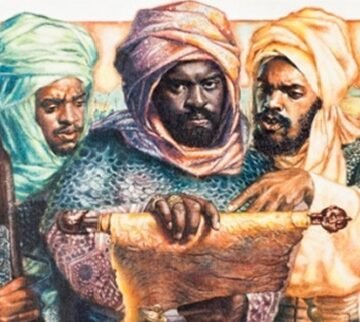
By Sheikh Abdiwahab Osman On July 15, 2024, Dr. Abdurahman Baadiyow discussed the role of Sufi orders (Dhariqa) in spreading Islam in the Horn of Africa region. He also mentioned that some Sufi Sheikhs resisted and fought against European colonial powers that arrived in the area in the 18th century. While we respect the research...

97 search results for: baadiyow
History of the Ahmadiyah Sufi Order in Somalia
Dr. Abdurahman Baadiyow To understand the history of spreading Islam in the Horn of Africa region, it is essential to recognize the exceptional work done by the scholars, most of whom belong to two Sufi orders: the Qaderiyah and the Ahmadiyah. The Salihiyah is not an independent order as assumed in the literature but is...
The Prominent Sheikhs of the Qadiriyya Order in Banadir
Dr. Abdurahman Baadiyow This article is dedicated to the esteemed scholars of Islam who belong to the Qaderiya order in the historical Bandir region. It continues our series of short biographies that highlight the lives and contributions of prominent Somalis. Through this series, we aim to shed light on the significant roles these scholars have...
Sheikh Madar Ahmed Shirwa (1825-1918): The Qadiriyya Sufi, a Founder of Hargeisa and a Societal Reformer
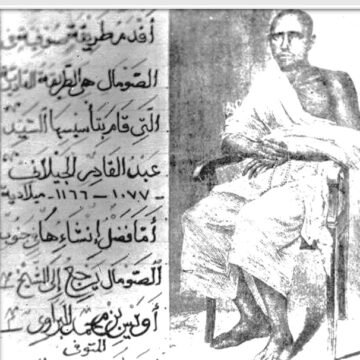
By Dr. Abdurahman Baadiyow The Qadiriyya Order originated in Baghdad by Sheikh Abdul Qadir Gilani (died 1166 AD) and later spread to the western and northern regions of Somalia in the early sixteenth century through the efforts of Abubakar bin Abdullah Al-Aydarus (died 1502 AD) from Hadramaut, Yemen. The Qadiriyya Order thrived in Harar, a...
Sheikh Ahmed Gabyow (1844-1933): A Poet and Early Anti-colonial Scholar
By Dr. Abdurahman Baadiyow The Somali encounter with colonialism can be broadly divided into two main phases. From 1889 to 1927, the first phase involved interactions between scholars of Islam and clan elders on one side and colonial powers on the other. This era culminated in the defeat of Boqor Osman, leader of the Majeerteen...
Haji Farah Oomar Ileeye (1879-1949): The Staunch Nationalist and the First Somali Lawyer
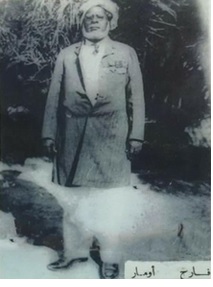
By Abdulrahman Baadiyow Haji Farah Oomar Ileeye (1879–1949) was a dedicated Somali nationalist and a pioneer in the realm of Somali civil society. He was born in Hagal in the Saahil region of Somaliland, within a wealthy pastoral family connected to the Qaderiyah Sufi order. From a young age, Haji Farah’s education began at a...
The Longest Secretary General of SYL:A Brief Biography of PM Abdullahi Isse
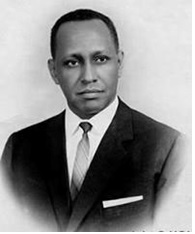
By Abdulrahman Baadiyow Abdullahi Isse, the first Prime Minister of Somalia in 1956, was born in 1921 in Afgoye, about 30 km south of Mogadishu. His father, Mohamud Bidar, a respected elder, died before Abdullahi was born, and his mother, Marrero Dini Ahmed, raised him as an orphan. The father hails from the port city...
Abdirizak Haji Hussein: The Audacious and Principled Leader
By Abdulrahman Baadiyow Somali Prime Minister Abdirizak Haji Hussein is portrayed as an audacious reformer and principled leader in historical accounts and assessments. President Adan Abdulle Osman recognized Hussein’s potential as a statesman due to his energy and honesty, contrasting him with the corrupt political class. Hussein’s integrity posed a threat to entrenched interests and...
Is Prime Minister Abiy Ahmed’s Claim to the Port of Zeila a Flip of the Tongue or Character Assassination?
By Adan Makina Being a powerful orator or espousing linguistic eloquence is a great advantage in leadership. Powerful words influence people of all kinds. Leaders have to be careful when they want to influence people. Leaders like Gandhi, Reverend Martin Luther King Jr., Nelson Mandela, J.F. Kennedy, and Barack Obama have inspired millions with their...
A Role Model in Leadership: The Political Culture of President Adan Abdulle
Dr. Abdurahman Baadiyow Leaders play a pivotal role in shaping the fate of nations, wielding their attributes and authority to either steer them toward prosperity or plunge them into chaos. Visionary and virtuous leaders facilitate peace and progress, while those lacking vision and integrity lead their nations into crises and poverty. In “The Trouble with...