
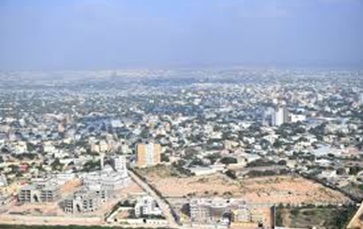
Mogadishu (WDN) – Mogadishu is sliding deeper into turmoil as a sweeping campaign of demolitions, forced displacement, and deadly security operations fuels outrage across the Somali capital, with critics accusing the administration of President Hassan Sheikh Mohamud of turning state power against its own people.
Over the past 24 hours, entire neighborhoods have been thrown into chaos as bulldozers, backed by heavily armed security forces, moved into residential areas, tearing down homes and forcing hundreds of families into the streets during the height of the rainy season.
Roads across Mogadishu have become scenes of desperation, crowded with displaced families carrying mattresses, household belongings, and children through flooded streets after being driven from their homes.
Government demolitions have struck several neighborhoods, including Shibis District, Sanco, Warlaliska, Ceel-Hindi, and surrounding areas. In some locations, violent clashes erupted between government forces and armed residents opposed to the destruction campaign, heightening fears that the capital is drifting toward wider instability.
The operations have triggered fierce political backlash, with opposition leaders accusing the government of carrying out systematic land seizures and mass displacement against already vulnerable communities battered by poverty, insecurity, and economic hardship.
“This is not redevelopment — it is forced displacement at gunpoint,” one opposition figure said.Residents described scenes of panic and devastation as homes were reduced to rubble within hours. “We are poor people struggling to survive,” one resident told local WardheerNews. “Now even the little shelter we had is being destroyed.”
Despite mounting condemnation, the demolitions have continued unabated. The crisis took an even darker turn Thursday night after deadly violence erupted in the Kordamac area of Dayniile District, where clashes between government security forces and local residents reportedly left civilians dead and wounded — including a three-year-old child.
The killing of Musamil Yusuf Osman has ignited fury among opposition leaders, who accuse the government of escalating from land disputes to outright violence against civilians.
Former Prime Minister Hassan Ali Khaire condemned the operation as “a national tragedy and catastrophe,” accusing the government of using national security forces to uproot poor communities through intimidation and bloodshed. “It is a national disgrace that government forces are being used against civilians instead of protecting them,” Khaire said.
Former President Sharif Sheikh Ahmed also condemned the violence, calling the Dayniile operation “a criminal act” that demands accountability. “The country has entered a dangerous phase,” Sharif warned, accusing the government of abusing state power while tensions continue to spiral.
Opposition MP Abdirahman Abdishakur Warsame accused the administration of “crossing every line” after the reported death of the three-year-old boy. “The days of an administration accused of killing children are numbered,” he said.
The government has yet to issue a detailed response to the accusations surrounding the demolitions and deadly clashes. Meanwhile, political tensions are rapidly escalating ahead of a major anti-government protest planned for May 10. Opposition groups say the demonstration will focus on forced displacement, alleged land grabbing, and what they describe as growing repression by the state.
Organizers claim more than 19,000 people have already registered to participate in the protest, signaling rising public anger across the capital. At the same time, large deployments of security forces have appeared at key junctions and major roads throughout Mogadishu, in what observers see as preparations to contain opposition mobilization.
With confrontation intensifying on the streets and political divisions hardening by the day, Mogadishu is increasingly beginning to resemble a capital on the edge.
WardheerNews
Leave a Reply