
Make ICE Pay Act’ Would Channel Federal Immigration-Enforcement Funding into Recovery, Schools, Businesses and Community Services
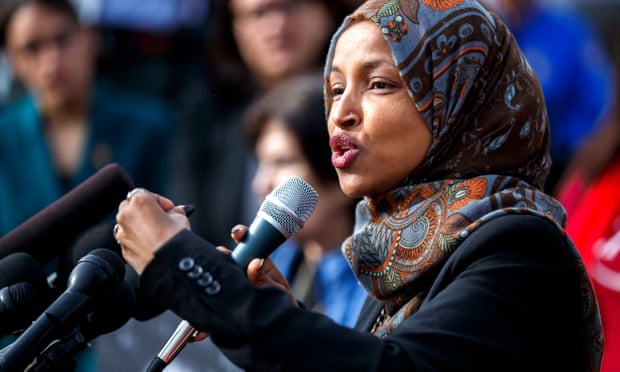
Washington (WDN) — U.S. Representative Ilhan Omar has unveiled a sweeping new proposal that would redirect nearly $140 billion in federal funding allocated to Immigration and Customs Enforcement (ICE) and Customs and Border Protection (CBP) toward communities affected by major federal immigration-enforcement operations.
The legislation, introduced as the “Make ICE Pay Act,” would redirect $139.57563 billion in previously appropriated funding into a federal grant program designed to support states and communities that have experienced the impact of large-scale ICE and CBP operations.
The proposal marks a striking attempt to turn federal immigration-enforcement resources toward community recovery, with funding potentially supporting economic relief, reimbursement for costs incurred by state and local governments, schools and educational institutions, nonprofit organizations and small businesses.
Money for Communities
Under the proposed legislation, funds could be used to provide financial assistance to affected communities, reimburse governments for operational costs, support educational institutions and provide psychosocial and social services.
The proposal also includes funding for investigations, commissions of inquiry, record-keeping and memorialization related to the impact of immigration-enforcement operations.
The legislation specifically identifies Minnesota, California, Illinois, Louisiana, Maine, North Carolina and Oregon as states eligible for assistance because of named federal immigration operations.
Omar’s office says the proposal is intended to help communities recover from the economic and social consequences of those operations and direct federal resources toward rebuilding affected communities.
A Major Congressional Proposal
Omar, a Democrat representing Minnesota, introduced the legislation alongside several House colleagues, including Representatives Angie Craig, Jesús “Chuy” García, Rashida Tlaib, Chellie Pingree, Sydney Kamlager-Dove and Janelle Bynum.
Craig separately described the proposal as establishing a federal grant program to reimburse states for costs and damages associated with federal immigration-enforcement operations.
The proposal follows intense political and public debate over immigration enforcement, particularly following major operations in Minnesota and other states.
Omar has argued that communities affected by federal enforcement deserve financial support and a mechanism through which the consequences of those operations can be documented and addressed.
From Enforcement to Recovery
At the heart of the legislation is a striking policy proposition: money previously designated for federal immigration enforcement would instead be directed toward communities seeking to recover from its effects. The proposal would therefore shift the emphasis from enforcement capacity to recovery, compensation and community services.
However, the legislation remains a proposal rather than law. It must proceed through the congressional legislative process, including consideration by committees and votes in the House and potentially the Senate before it could take effect.
For now, the Make ICE Pay Act represents one of the most ambitious congressional proposals to redirect federal immigration-enforcement funding toward communities affected by those operations.
WardheerNews
Leave a Reply