
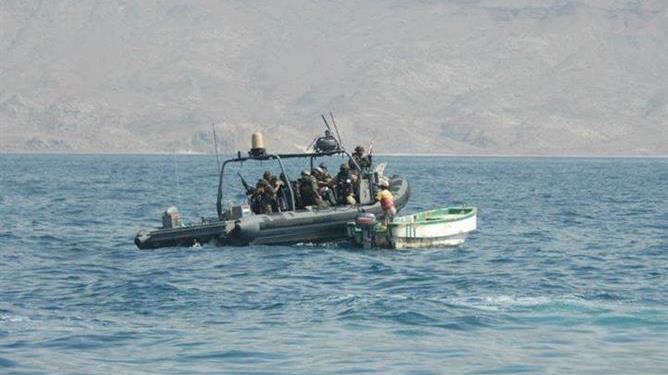
London (WDN) – Global piracy and armed robbery at sea have fallen to their lowest levels in more than three decades, according to a new report by the International Maritime Bureau (IMB). Yet amid the encouraging decline, the report warns that Somali pirate groups are showing renewed activity, raising concerns that one of the world’s most notorious maritime threats may not have disappeared.
The IMB recorded just 38 incidents of piracy and armed robbery against ships worldwide during the first half of 2026—the lowest six-month total since the organization began compiling records in 1992. The figure marks a dramatic decline from 90 incidents reported during the same period in 2025 and 60 incidents in the first half of 2024.
According to the report, pirates boarded 27 vessels, hijacked five ships, opened fire on three vessels, and attempted three additional attacks between January and June.
Despite the sharp global decline, the IMB cautioned that the threat to seafarers remains significant, particularly off the coast of Somalia. During the first six months of the year, 67 crew members were taken hostage, two were threatened, and one was injured during piracy-related incidents.
Perhaps most strikingly, the report attributes 94 percent of all crew kidnappings worldwide during the reporting period to Somali pirate groups, underscoring their continued ability to board and seize vessels operating in waters near the Horn of Africa.
Between April and May, four ships were hijacked in the Indian Ocean near Somalia, while additional attacks and attempted boardings were reported in June, signaling what security experts describe as a worrying resurgence after years of relative calm.
On 1 July, the cargo vessel MV Golden Arsenal came under attack near Djibouti. The crew quickly activated emergency anti-piracy procedures and retreated to a secure citadel aboard the vessel. The Indian Navy frigate INS Trikand later boarded and searched the ship but found no pirates on board, suggesting the attackers had fled before naval forces arrived.
IMB Director Michael Howlett welcomed the overall decline in global piracy, describing it as an encouraging reflection of sustained international cooperation among governments, naval forces, and the maritime industry.
“The reduction in reported incidents demonstrates that coordinated international efforts continue to produce tangible results,” Howlett said.
However, he warned that recent Somali pirate activity serves as a reminder that the threat has not been eliminated.
“The renewed incidents off Somalia highlight the need for continued vigilance, regional cooperation, and a sustained international naval presence to prevent a wider resurgence,” he cautioned.
Call for Continued Naval Presence
The IMB urged commercial shipping companies to continue implementing internationally recognized Best Management Practices (BMP), which have played a critical role in reducing successful pirate attacks through enhanced security measures and crew preparedness.
The bureau also called on international naval forces—particularly the European Union Naval Force’s Operation Atalanta—to maintain a visible presence in the region to deter pirate groups from re-establishing their operations.
Meanwhile, piracy in the Gulf of Guinea, once considered one of the world’s most dangerous maritime hotspots, continued its remarkable decline. The IMB recorded only two incidents during the first half of 2026, crediting improved maritime security cooperation among West African coastal states and international partners.
While the latest figures represent a significant milestone in the global fight against maritime piracy, the IMB concluded that complacency would be premature. It warned that sustained naval patrols, intelligence sharing, and close cooperation between governments and the shipping industry remain essential to safeguarding international trade routes and protecting seafarers from a potential resurgence of piracy—particularly in the waters off Somalia.
WardheerNews
Leave a Reply