
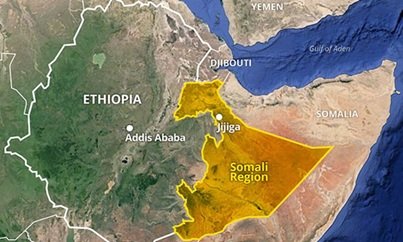
The soldiers were detained while reportedly on leave in Ethiopia’s Somali Region, raising fresh questions about Mogadishu’s silence and the deteriorating relationship between the two neighbours.
JIGJIGA (WDN) — Ethiopia has transferred approximately 220 Somali National Army soldiers to Addis Ababa after detaining them while they were reportedly on leave in Ethiopia’s Somali Regional State, adding to tensions between the two neighbouring countries.
The soldiers had been held at Garab Case military camp in Jijiga before Ethiopian military personnel transported them by bus to the capital on Monday. Neither government had publicly provided a detailed explanation of the detention or transfer, according to the available reporting.
The troops reportedly belonged to a force whose training President Hassan Sheikh Mohamud attended at Xananbuure, in the Galgaduud region of Galmudug state, in August. Their detention raises questions about why serving Somali military personnel were in Ethiopian territory, the circumstances of their arrest and the purpose of their transfer to Addis Ababa.
Ethiopian suspicions over Egyptian links
Security officials cited in reports about the incident said Ethiopia suspects that Egypt trained the soldiers and that they were travelling towards areas administered by Jubaland, the federal member state in southern Somalia. These allegations have not been independently verified, and Ethiopian authorities have not publicly presented evidence to substantiate them.
The claims are particularly sensitive given the rivalry between Egypt and Ethiopia, which extends beyond their longstanding dispute over the Grand Ethiopian Renaissance Dam to competing security interests in the Horn of Africa.
Egypt has strengthened its engagement with Somalia, including security cooperation, while Ethiopia has expressed concern about developments that could increase Egyptian military influence near its borders. Against this backdrop, reports that Egyptian-trained Somali troops may have been heading towards Jubaland could intensify Ethiopian suspicions.
However, it remains unclear whether the allegations explain the soldiers’ detention. The available information does not establish how they entered Ethiopia, whether their travel was officially authorised or whether Ethiopian authorities believe they violated any laws.
Mogadishu’s silence raises concerns
The Somali federal government has yet to publicly explain the incident or clarify what steps it is taking to secure the soldiers’ release or return. Its silence leaves unanswered questions about diplomatic contacts with Addis Ababa and the legal status of the detained personnel.
The detention of approximately 220 serving soldiers by a neighbouring country is a significant concern for Somalia’s military leadership. Mogadishu faces pressure to establish the facts, confirm the soldiers’ welfare and ensure that their treatment is addressed through appropriate diplomatic and legal channels.
It is also unclear whether the soldiers have been formally charged, whether they remain in custody in Addis Ababa or whether the transfer forms part of a broader security investigation. Neither government has publicly clarified these matters in the available reporting.
Relations already under strain
The incident comes amid deteriorating relations between Mogadishu and Addis Ababa over regional security and competing strategic interests. Ethiopia has reportedly accused President Hassan Sheikh Mohamud of betraying Ethiopia by aligning himself with Egypt and Eritrea, reflecting growing mistrust between the governments.
The wider dispute involves sensitive questions of sovereignty, military cooperation and influence across the Horn of Africa. Somalia is seeking to strengthen its security partnerships, while Ethiopia remains concerned about developments in neighbouring territories that it considers relevant to its national security.
The soldiers’ detention risks further complicating an already fragile relationship. Without clear explanations and direct diplomatic engagement, the incident could deepen mistrust and undermine cooperation on shared security challenges.
The immediate priority is to establish why the soldiers were detained, clarify their legal status and secure a resolution through diplomatic channels. Until Ethiopia and Somalia provide fuller accounts, allegations concerning Egyptian training and the soldiers’ intended destination should remain attributed claims rather than established facts.
The episode presents another test for both governments: whether they can contain a sensitive military incident through communication and diplomacy or allow it to become a further source of regional tension.
WardheerNews