
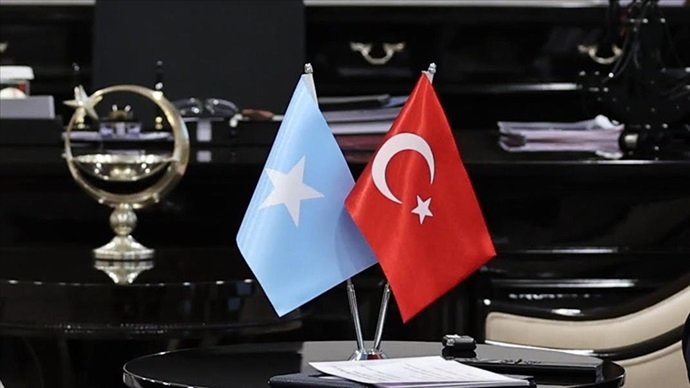
Mogadishu (WDN) – Turkey is reportedly increasing pressure on Somalia’s rival political factions to reach a rapid political settlement, amid growing concern in Ankara over the security, economic, and reputational consequences of the recent fighting in Mogadishu.
According to sources familiar with the matter, Turkish officials are particularly alarmed by clashes that erupted near the residence of former Somali President Sharif Sheikh Ahmed, where a Turkish national was reportedly injured after a mortar round landed close to Turkey’s diplomatic compound.
The incident has heightened concerns in Ankara that Somalia’s deepening political crisis could jeopardize both Turkish personnel and the extensive investments Turkey has built in the country over the past decade. “Turkey views the continued instability as a direct threat to its strategic interests in Somalia,” a source familiar with the discussions said. “There is growing urgency to prevent the situation from spiraling further.”
The fighting has also triggered controversy over the use of Turkish-supplied military equipment by Somali government forces. Opposition figures have accused the Somali government of deploying Turkish-provided armored vehicles and weapons in what they describe as a domestic political confrontation rather than counterterrorism or national defense operations.
The allegations have fueled debate over whether military assistance intended to strengthen Somalia’s security institutions is being drawn into internal political disputes. “The perception that foreign-supplied military assets are being used in political conflicts carries significant reputational risks,” one regional analyst noted.
Damage to Turkish Armored Vehicles Raises Concerns
Defense experts have also pointed to another sensitive issue: reports that several Turkish-manufactured armored vehicles were damaged or destroyed during the clashes. Images circulating from conflict zones showing damaged armored vehicles have attracted attention among military observers and defense industry analysts.
According to defense specialists, such images can have consequences beyond Somalia.“Global defense markets closely monitor the performance of military equipment in real combat environments,” one analyst said. “Photographs of damaged vehicles can influence perceptions among current and prospective buyers, regardless of the circumstances in which the equipment was deployed.”
Sources close to Turkish officials indicate that Ankara is interested in recovering damaged vehicles from the conflict areas for technical assessment and repairs. Officials are reportedly concerned that continued circulation of images showing destroyed equipment could affect confidence in Turkey’s rapidly expanding defense industry and potentially impact future export opportunities.
Turkey remains one of Somalia’s most significant international partners, with major investments spanning the Port of Mogadishu, Aden Adde International Airport, infrastructure development projects, military training programs, and broader economic cooperation.
The scale of these investments means that prolonged instability in Mogadishu is viewed in Ankara not only as a political challenge but also as a potential threat to long-term strategic and commercial interests.
The security situation has already prompted heightened vigilance at Mogadishu Port, Somalia’s principal maritime gateway. The increased security posture has generated concern among business leaders, importers, and international shipping operators who rely on the facility for trade and commerce.
Ankara Intensifies Diplomatic Push
Against this backdrop, Turkey is reportedly expanding its diplomatic engagement with both the Somali government and opposition leaders, urging all sides to resolve their differences through dialogue rather than confrontation.
“Political disputes must be settled through negotiations, not through armed confrontation,” a diplomatic source familiar with the mediation efforts said. As tensions continue to simmer, Ankara appears increasingly determined to leverage its influence and longstanding relationships with Somali stakeholders to prevent further escalation.
For Turkey, the stakes extend well beyond the current political dispute. The outcome of the crisis could shape not only Somalia’s immediate stability but also the future of one of Ankara’s most important strategic partnerships on the African continent.
With concerns mounting over security, investment protection, and regional stability, Turkish officials are said to be pushing for an urgent breakthrough—warning that continued confrontation risks creating a broader political and security crisis that neither Somalia nor its international partners can afford.
WardheerNews