
By Abdiweli Garad, PhD
Introduction
The Gedo region of Somalia has become the focal point of escalating tensions between regional powers, threatening to transform this strategically important borderland into a theatre of proxy conflict.
The perennially fragile Somalia faces a potentially explosive new phase of regional interference as long-standing rivalries between Ethiopia and Egypt increasingly play out within its borders. The epicentre of this emerging contest is the strategically vital Gedo region, bordering Ethiopia and Kenya. Actions taken by the FGS, particularly under President HSM, alongside overt moves by neighbouring states, suggest a dangerous escalation is underway, risking further fragmentation of the Somali state and offering significant opportunities for the Al-Shabaab insurgency.
This article explores how the conflicting interests of Ethiopia and Egypt, mediated through Somalia’s fractious domestic politics, are creating perilous conditions that could threaten the region’s security and worsen humanitarian crises, as demonstrated by recent politically motivated disruptions to civilian air services. It further examines the motivations of key actors, the immediate effects on Gedo’s population, and the broader regional implications, ending with policy advice recommendations.
The FGS Calculus: Electoral Legitimacy and Regional Control
President HSM’s administration appears primarily focused on securing a politically manageable outcome in the anticipated selection of representatives. Analysts suggest his strategy is tactical and short-term, prioritising the appearance of legitimacy for this process over long-term state-building or stability. A central challenge lies in the opposition from Jubbaland President Ahmed (Madobe) and Puntland President Said Abdullahi Deni (Deni). The duo held the tickets of the Darood clan constituency, which is rooted significantly and crucial for any credible electoral exercise.
By employing the principle of the “Melian dialogue,” which suggests that the strong take what they can while the weak endure what they must, HSM’s administration appears to be intensifying pressure on civilian populations in the Gedo region. The calculation seems that increased hardship and accompanying threats will compel the populace to acquiesce to, or even support, Mogadishu’s agenda—a strategy that risks significant blowback and may yield the opposite effect.
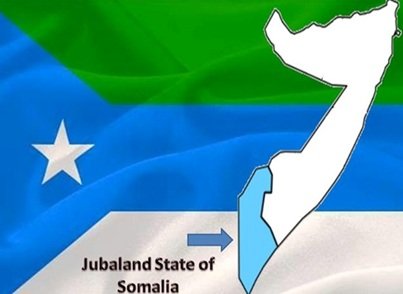
HSM’s strategy involves efforts to secure political tickets for the Darood. On 31 March 2024, Puntland announced that it had ceased its relationship with Villa Somalia. In the Gedo region, HSM’s administration initially facilitated Jubbaland’s control over it. Still, he encountered resistance from Madobe regarding HSM’s overreach, often referred to as “state capture,” leading to a change in direction. This strategy aligns with his efforts to strengthen the Sool, Sanaag, and Cayn-Khaatumo (SSC-K) region, which is in ongoing negotiations with the FGS to gain federal member state status, and he views as a pliable Darood-affiliated entity. The objective is clear: to create a compliant political landscape in key areas that will ensure a favourable electoral outcome. Lacking the ability to assert de facto control, HSM is reportedly seeking external support to reclaim Gedo from Jubbaland’s influence.
Egyptian Intervention: Leveraging Somalia Against the GERD
As the Wardheer News—July 15, 2025, article: Villa Somalia Troop Deployment to Gedo Sparks Renewed Conflict with Jubbaland and the Region—reported, the Federal Government of Somalia plans to deploy troops to the Gedo region in Jubbaland, led by former Security Minister Abdirashid Janan, aiming for federal control. This has increased tensions as regional Jubbaland forces prepare to resist, especially following a failed FGS operation in Raaskanbooni. The move risks provoking internal conflict, destabilising federal-regional relations, and potentially strengthening Al-Shabaab.
Simultaneously, reports of an agreement during HSM’s recent visit to Cairo, potentially deploying Egyptian forces within the African Union Support and Stabilisation Mission in Somalia (AUSSOM) framework to Gedo, signal Egypt’s direct entry into Somali affairs. Cairo’s primary motivation is widely interpreted as countering Ethiopia’s Grand Ethiopian Renaissance Dam (GERD) project on the Nile.
Gedo’s strategic location, bordering Ethiopia, makes it a critical pressure point. Ethiopian forces have maintained a presence in the region since 1996, acting as a de facto buffer zone with tacit Somali governmental agreement. Egyptian deployment to Gedo would achieve several objectives: directly challenge Ethiopian influence on a sensitive border, create a proximate military threat capable of coercion, and signal Egypt’s capacity to open new fronts in its Nile dispute. Egypt views Somalia instrumentally as a pawn in its wider regional contest with Addis Ababa.
Ethiopian and Kenyan Responses: Protecting Interests
Unsurprisingly, Ethiopia perceives these developments as a direct threat. Addis Ababa has reportedly mobilised its assets and collaborators within neighbouring Somali regions, particularly Gedo, anticipating a challenge to its longstanding presence and influence. The Vice President of Jubbaland, Sayid, along with Jubbaland ministers from the Gedo region, is currently in Dolow district devising strategies for the upcoming defence against the mission conducted by the HSM towards their territory. Reports suggest that these political leaders, in collaboration with the non-African Ethiopian garrison stationed there, are actively coordinating efforts to strengthen their defensive measures, adding to the complex dynamics of regional security amid ongoing challenges from militant groups.
This aligns with the historical security concerns driving Ethiopian involvement in Somalia. Kenya, bound by a longstanding security pact with Ethiopia dating to 1963, perceives HSM’s actions and potential Egyptian involvement with deep suspicion. Nairobi views a risk of Somalia becoming closer to Egypt and is determined not to be marginalised. Subsequently, Kenya has established a “Jubbaland Affairs Office” in Mandera, directly opposite Gedo’s Baled-Hawo, signalling its intent to safeguard its interests in Jubbaland, which it considers within its sphere of influence and potentially vulnerable to spill-over or hostile takeover. The recent announcement by General Muhoozi Kainerugaba that the USA is in negotiations with Al-Shabaab, which he claimed would lead to Uganda’s withdrawal from AUSSOM, adds to regional unease.
Al-Shabaab: The Primary Beneficiary?
The escalating tensions and potential introduction of new foreign actors present a significant boon to the Al-Shabaab insurgency. The group stands to gain substantially:
1. Target-Rich Environment: Egyptian troops would represent high-profile, symbolic targets for attacks, providing potent propaganda material.
2. External Support: The presence of Egyptian forces could galvanise external jihadist elements to provide material support or expertise to bleed Egyptian troops.
3. Vulnerable Ethiopians: Ethiopian forces, potentially overstretched or repositioning due to new threats, could become easier targets.
4. Recruitment Narrative: The perceived illegitimacy of the HSM’s government, exacerbated by these manoeuvres and the suspension of civilian services like air travel for political ends, provides a powerful recruitment tool, framing the government as a pawn of foreign powers.
Gedo’s Divided Populace: Caught in the Crossfire
The population of Gedo finds itself caught between conflicting powers. At the same time, resentment persists towards the longstanding Ethiopian presence since 1996, acknowledged by FGS officials like Ali Omar, who state that the government has a multilateral treaty with the Ethiopians to use the region as a buffer zone. HSM’s heavy-handed tactics, including the politically motivated grounding of civilian flights, generate significant local hostility. On the one hand, the community is deeply divided; most see the expulsion of Ethiopian forces as beneficial, but not under the current HSM strategy, which is perceived as self-serving and externally influenced.
On the other hand, some elements within Gedo also align with Ethiopian interests as part of the existing buffer arrangement and may actively collaborate against FGS and Egyptian initiatives.
Conclusion: A Precarious Path Forward
The situation in Gedo represents a dangerous inflexion point. The convergence of HSM’s short-term electoral calculations, Egypt’s strategic gambit against Ethiopia, and the reactive postures of Ethiopia and Kenya creates a highly combustible mix. The suspension of civilian air services is merely the first tangible symptom of a looming crisis with far more severe humanitarian and security consequences likely.
Policy Considerations:
1. Local leaders must navigate an exceedingly complex landscape. While reducing unwanted foreign military presence is a legitimate goal, aligning solely with HSM’s current short-term project risks perpetuating instability. A distinct, locally driven strategy is needed to shovel Ethiopian presence out of the region while denying legitimacy to the FGS’s perceived electoral manipulation.
2. President Ahmed Madobe of Jubbaland faces criticism for deepening divisions by representing specific interests rather than uniting the Jubbaland State. He should pursue meaningful compromise with local stakeholders to build credibility and strengthen cohesion, especially in Gedo. Prioritising collaboration over transactional politics is essential to achieve stability and unity, particularly amidst tensions with the federal government in Mogadishu.
3. Air traffic control and civil aviation must not be used as weapons for political leverage. HSM’s continued use of such mechanisms to influence the population in Gedo is creating significant challenges. Additionally, while Melos’ dialogue and increased pressure on political adversaries may serve specific purposes, their effectiveness is not guaranteed in all situations. Consequently, the Federal Government of Somalia should consistently prioritise and protect the interests of the Somali people, regardless of their location.
4. The international community, including AUSSOM, partners, and key donors, must recognise the severe risks of this emerging proxy conflict. Unchecked, it promises to exacerbate Somalia’s fragility, empower Al-Shabaab, and destabilise the wider Horn of Africa. Diplomatic engagement focused on de-escalation, supporting credible and inclusive Somali political processes, and refocusing efforts on the common threat of Al-Shabaab is urgently required before the gathering storm breaks.
Abdiweli Garad, PhD
Email: aogarad@gmail.com
————-
Abdiweli Garad is a researcher focusing on state-building interventions and the associated security complexities of the HoA.