
By Abdisalam Ali Farah (Biligsey)
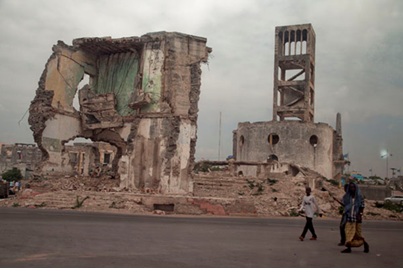
It has now been thirty-five years since Somalia began bleeding from every imaginable wound. The country, once proud and full of promise, has been reduced to a battlefield of misery.
President Yoweri Museveni of Uganda once described the Somali tragedy as a “slow-motion genocide.” His words ring painfully true today, as the death of Somalia unfolds not in one sweeping massacre, but in countless small, relentless, and preventable ways.
1. Clan Warfare: A Fratricidal Curse
For decades, Somalis have been locked in a cycle of clan warfare that shows no sign of ending. Armed with modern weapons, clans fight bloody skirmishes that claim hundreds of lives at a time. These battles, fought among brothers and cousins, have become tragically normalized. The worst part: there is no functioning government authority strong enough to prevent, mediate, or even minimize these deadly clashes.
2. Extremism in the Name of God
As if clan warfare were not enough, Somalia has also been ravaged by extremist groups such as Al-Shabab and ISIS. For over twenty years, these groups have carried out mass bombings, assassinations, and armed confrontations against civilians, the government, and international forces.
Thousands have been slaughtered, with Muslim Somalis killed daily in the name of a politicized religion. Faith, which should have been a source of peace and unity, has been weaponized into a tool of division and death.
3. Exploitation by Predatory Traders
Amid the chaos, heartless profiteers have emerged, enriching themselves at the expense of their people’s health. Pseudo-businessmen deliberately flood Somali markets with expired food and substandard medicines from questionable factories abroad. Doctors report alarming rises in illnesses such as cancer and other preventable deaths tied directly to these toxic imports.
The Somali proverb says it best: “The profit-seeker is irresponsible when it comes to earning money.” Yet these same traders rush to the mosque, pretending piety even as they poison their people.
4. The Exodus of Hopeless Youth
The final wound is the silent tragedy of Somalia’s youth. Crushed by despair, thousands of young men and women — including many well-educated — flee the country in search of dignity and opportunity. But their escape routes are graveyards. Thousands perish in the Sahara Desert or drown in the Mediterranean Sea, crammed into rickety boats bound for uncertain futures. This loss is not just personal; it is the draining of Somalia’s brightest hope for tomorrow.
A Nation at the Edge
Together, these four crises — fratricidal warfare, extremist violence, economic exploitation, and mass youth exodus — form the anatomy of Somalia’s slow-motion genocide. It is not only the body count that shocks, but the destruction of a nation’s soul and potential.
A Call for Visionary Leadership
What Somalia desperately needs is not another factional strongman or profiteer. The country needs forward-looking, visionary leadership — leaders who can rise above clan loyalties, reject extremist dogma, regulate exploitative markets, and create hope for the youth. Somalia is a great ship adrift in stormy seas. Without a steady hand at the helm, it risks disappearing into the annals of history, God forbid.
The world cannot afford to watch in silence, and Somalis themselves cannot afford to despair. The bleeding must stop, and the healing must begin.
Abdisalam Ali Farah (Biligsey)
Email: biligsey2005@gmail.com