
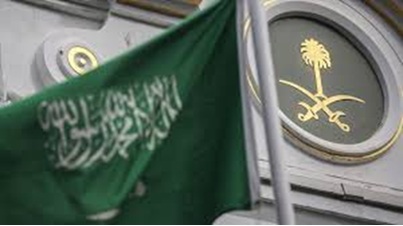
Mogadishu (WDN) – Reports that Saudi Arabia has begun financing military training for thousands of Somali soldiers have sparked debate over Riyadh’s evolving role in Somalia, with many Somalis questioning why the Kingdom is only now taking a more active security role after decades of largely limited engagement.
For years, Somalia endured civil war, state collapse, famine, terrorism, and one of the world’s longest humanitarian crises. Throughout much of that period, many Somalis perceived Saudi Arabia’s involvement as negligible compared with other regional and international partners, despite the Kingdom’s close religious and historical ties with Somalia.
Critics contend that despite the immense human suffering caused by decades of conflict and political instability, Saudi Arabia played limited role in the country’s humanitarian, economic, and political recovery. They argue that the Kingdom made only limited contributions toward rebuilding Somalia’s devastated infrastructure and fragile economy, while also failing to play a meaningful diplomatic role in mediating political disputes or bringing Somalia’s rival leaders together to forge a sustainable peace.
Riyadh’s recent military engagement has prompted questions about what strategic interests are now driving its policy toward Somalia. In February this year, Saudi Arabia and Somalia signed a defense cooperation agreement aimed at strengthening military and security collaboration. Recent reports suggest the agreement is now being implemented.
According to published reports, approximately 5,000 Somali soldiers are currently undergoing training at two military camps in northern Galgaduud region. The program is expected to last nine months and is reportedly being financed by the Saudi government.
The reports further state that the trainees are being instructed by foreign military trainers from Romania, Ukraine, South Africa, and Colombia, while Saudi military officials have visited the training facilities to monitor the program’s progress.
Neither government has publicly released comprehensive details regarding the scope of the agreement or the long-term objectives of the training mission.
Saudi Arabia’s growing military involvement comes as Gulf states continue expanding their influence in Somalia’s security sector. The United Arab Emirates has for years provided training and support to Puntland security forces and other Somali units, while Qatar has backed elements of the Federal Government through security assistance and institutional support.
Turkey remains Somalia’s largest defense partner, providing military training, equipment, infrastructure, and advisory support to the Somali National Army. Ankara has played a central role in rebuilding Somalia’s armed forces over the past decade.
Questions Over Motives
Saudi Arabia’s decision to invest in Somalia’s military has generated mixed reactions. Supporters view the initiative as a welcome contribution to strengthening Somalia’s security institutions and combating extremist threats.
Others remain more skeptical, arguing that the Kingdom’s newfound interest follows years in which many Somalis felt Riyadh remained largely absent during some of the country’s most difficult humanitarian and political crises. For these observers, the central question is no longer whether Saudi Arabia is becoming more engaged, but why now.
As geopolitical competition intensifies across the Horn of Africa and the Red Sea corridor, analysts say Somalia has become an increasingly important arena for regional powers seeking to expand their strategic influence.
Whether Saudi Arabia’s military partnership proves to be a long-term investment in Somalia’s stability or primarily reflects broader regional geopolitical calculations remains an open question—one that is likely to shape debate as Riyadh’s role in Somalia continues to expand.
WardheerNews