
Washington DC (WDN) – Tensions in the Middle East have escalated dramatically following Iran’s launch of retaliatory strikes against both Israel and the United States, in response to a joint military operation earlier this week that targeted key Iranian military installations.
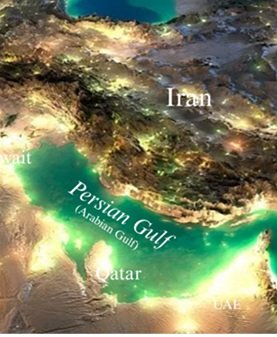
In a bold and unprecedented move, Iranian forces fired a series of ballistic missiles and drones at a U.S. military base in Al Udeid Air Base, Qatar — one of the largest American installations in the region. Initial reports suggest multiple explosions rocked the base late Tuesday night. While U.S. Central Command has not confirmed casualties, sources indicate damage to infrastructure and military equipment.
Simultaneously, Iran has intensified its counteroffensive on Israeli territory. The Islamic Revolutionary Guard Corps (IRGC) claimed responsibility for launching medium-range missiles targeting Israeli military facilities near Tel Aviv and Haifa. Air raid sirens were heard throughout northern and central Israel, with Israeli defense forces scrambling to intercept incoming projectiles using the Iron Dome system. Several impacts were reported, though the extent of the damage and casualties remains unclear.
Iranian state media framed the counterattacks as “legitimate self-defense,” describing them as “Operation Quds Vengeance,” a direct response to what Tehran labeled “an unprovoked act of aggression” by the United States and Israel.
A senior Iranian military official stated: “Our response has just begun. The United States and the Zionist regime will feel the full weight of their crimes. We will continue until our sovereignty is respected and our enemies are deterred.”
In Washington, the White House condemned the attacks on U.S. personnel as a “grave escalation” and confirmed that all necessary measures were being taken to protect American forces in the region. President [Name] convened an emergency meeting with the National Security Council and is reportedly in contact with allies in NATO and the Gulf Cooperation Council (GCC).
Israel has declared a state of emergency and placed its military on high alert. Prime Minister [Name] vowed to respond with “overwhelming force,” warning Iran that its actions would “bear unbearable consequences.”
The situation has sparked international alarm, with the United Nations Secretary-General calling for an immediate ceasefire and urging restraint from all sides. European capitals have also expressed concern that the conflict could spiral into a broader regional war, drawing in Hezbollah in Lebanon, Houthi militants in Yemen, and other Iran-aligned groups across the region.
Meanwhile, oil prices have surged past $100 per barrel, and global financial markets are showing signs of strain amid fears of a prolonged conflict threatening key shipping lanes and energy infrastructure.
As both sides dig in and military assets are mobilized across the region, analysts warn that the Middle East is entering one of its most dangerous phases in decades — with the potential for a multi-front war involving several regional powers.
This is a developing story. More updates to follow as information becomes available.
WardheerNews