
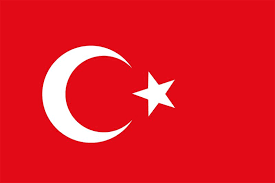
Garbaharey, GEDO (WDN) — In a striking display of public anger, residents of Garbaharey have taken to the streets to protest the attack that took place in Doolow, with demonstrators publicly burning the Turkish flag in a dramatic gesture that appeared to blame Turkey for the violence.
Reports from Garbaharey, the administrative capital of Gedo region, say large numbers of residents gathered in a public demonstration following the overnight attack on the residence of Commander Shub in Doolow.
The most striking moment came when protesters set fire to the Turkish national flag in a public space—an extraordinary act of condemnation directed at a country that has become one of Somalia’s most prominent military and political partners. Preparations for demonstrations against the Turkish government’s involvement in Somalia’s local politics is said to be underway in other parts of Jubaland, including the port city of Kismayo.
A Dramatic Message to Ankara
The burning of the Turkish flag appeared to reflect the protesters’ belief that Turkish military aircraft were involved in the Doolow operation or provided support to Somali government forces.Those claims have not been independently verified, but the symbolism of the protest was unmistakable.
Turkey has invested heavily in its relationship with Somalia, providing military training, equipment and other forms of security assistance to the Federal Government. The sight of the Turkish flag being burned on the streets of a Somali regional capital therefore carries considerable political weight. The demonstration was not limited to Turkey.
Protesters also reportedly burned images of President Hassan Sheikh Mohamud and Prime Minister Hamza Abdi Barre, directing their anger at Somalia’s top federal leadership.
The images of national leaders being publicly burned alongside the Turkish flag transformed the demonstration into a broader expression of opposition to the federal government’s handling of the Doolow confrontation.
The demonstration was eventually broken up by police in Garbaharey, according to local reports.The dispersal came after protesters had publicly expressed their anger over the Doolow attack and what they perceived as the involvement of federal authorities and their foreign military partners. The incident illustrates the depth of emotions surrounding the confrontation in Doolow, where political tensions have increasingly taken on a security dimension.
The public burning of a foreign country’s flag is rarely an insignificant act. For Turkey, a country that places considerable importance on its national symbols and has cultivated a highly visible strategic partnership with Somalia, images of its flag being burned in a Somali city are likely to carry particular political significance.
Local reports characterize Turkey as highly sensitive to public displays of hostility toward its national symbols. Whether Ankara will respond publicly to the incident remains to be seen. But the images from Garbaharey send a powerful message: a segment of the local population is deeply angry, and Turkey has become part of that anger.
From Doolow to Garbaharey
What makes the protest particularly striking is that the anger over an incident in Doolow has now spilled into the streets of Garbaharey. The burning of the Turkish flag, followed by the destruction of images of Somalia’s president and prime minister, reflects how quickly a localized security confrontation can evolve into a wider political crisis.
If the allegations concerning Turkish military involvement in the Doolow attack are proven, the political consequences could be significant—not only for the Federal Government but also for Turkey’s increasingly prominent role in Somalia.
For now, however, the allegations remain contested and require independent verification. What is beyond dispute is the symbolism of the protest itself.
In Garbaharey, residents did not simply chant their anger. They set fire to the symbols they associated with the power behind the operation—and in doing so, produced one of the most dramatic public expressions yet of Somalia’s deepening political and security divide.
WardheerNews