
By Mohamed A. Hashi
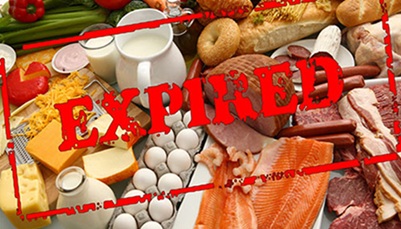
Food fraud—expired, mislabeled, and adulterated food sold in fragile markets—has emerged as a public health crisis in Somalia. Despite international frameworks such as the Codex Alimentarius, Somali markets remain flooded with unsafe goods, undermining child health and eroding trust in food systems.
In this piece, we shall analyze the human cost of unsafe food, the structural weaknesses that enable its circulation, and the international double standards that allow “nutritional dumping” in fragile states. The conclusion is blunt: until food safety is prioritized as both a governance and justice issue, Somali children will continue to pay for weak national policy health and global neglect.
Somalia’s prolonged humanitarian crisis—shaped by decades of conflict, drought, and displacement—provides a fertile environment for counterfeit commerce (UNICEF, 2023). Expired and adulterated foods routinely enter Somali markets, bypassing weak inspection systems. For exporters, Somalia is less a consumer market than a disposal site; for Somali families, it is a gamble between nourishment and illness.
This is more than unfair trade. It is a violation of fundamental rights to food, health, and survival-An attack on the “Nutritional Sovereignty”, (Convention on the Rights of the Child, 1989) of vulnerable children.
Somalia’s under-five mortality rate—106 deaths per 1,000 live births in 2022 (World Bank, 2022)—remains among the world’s highest, worsened by unsafe foods. Each expired tin of baby formula represents not only negligence, but a system in which global food governance ends conveniently at the gates of fragile states.
Children, already weakened by chronic food insecurity, face disproportionate risks. Expired goods often harbor pathogens; adulterants are added to disguise spoilage; and nutrient-deficient imports quietly deepen malnutrition (FAO, 2020).
Recent reports document expired milk powder and canned foods circulating in towns and IDP camps, often with falsified expiry labels (Dalsan TV, 2024). The health consequences—rising foodborne disease, child deaths, and plummeting consumer trust—are tragically predictable.
The broader context magnifies the crisis. Between 2022 and 2024, drought-related hunger led to 71,100 “excess deaths,” 40% of them children under five (UNICEF, 2023). Against this backdrop, distributing counterfeit nutrition is less humanitarian relief and more slow-motion harm.
The Codex Alimentarius and WHO food safety guidelines represent global consensus on labeling, contaminants, and shelf life. Yet these rules are applied selectively. In wealthy states, inspectors rigorously enforce them; in Somalia, containers of dubious origin pass through ports with little more than paperwork and prayer.
This asymmetry has been described as “nutritional neo-colonialism” —a system where low-quality goods are offloaded onto fragile markets under the plausible deniability of intermediaries. In this arrangement, expiry dates are treated less as legal obligations than as polite suggestions, not unlike certain UN General Assembly Resolutions.
To its credit, Somalia has taken steps toward food safety governance. The creation of the Somali Bureau of Standards (SOBS) in 2020 marked a significant policy milestone. Enforcement has yielded symbolic victories: in March 2024, authorities seized seven tons of expired goods at Mogadishu port and returned them to Turkey (Dalsan TV, 2024).
Earlier, in 2016, the government intercepted spoiled food aid flown in by a humanitarian agency. Several individuals, including aid staff, were arrested (WFP, 2016). These interventions illustrate the state’s capacity to act decisively—albeit sporadically—when food safety breaches publicc visibility.
Despite progress, systemic policy challenges persist in Somalia. Enforcement Gaps. SOBS remain underfunded and understaffed; the ratio of food fraudsters to inspectors is alarmingly unfavorable. Weak Border Control and Ports operate on fragile systems vulnerable to corruption, allowing dangerous goods to enter unchecked.
Fragmented Legislation and laws on labeling and expiry dates are inconsistent, leaving wide discretion for interpretation—and manipulation. Absence of recall mechanisms for fraudulent goods reach markets very easily and they circulate until consumed, which is, admittedly, one way to resolve inventory issues.
The net result is that unsafe goods often face fewer obstacles entering Somalia than legitimate humanitarian shipments.
Addressing food fraud requires systemic reform and international accountability. Key steps include:
1) Strengthen SOBS, expand legal authority, budgets, and staffing; empower it with enforcement rather than symbolism.
2) Mandate Codex Compliance. Ensure all imports meet international standards, because Somali children deserve expiry dates that actually expire.
3) Establish Traceability Systems. Introduce digital tracking and recall mechanisms for high-risk products such as baby formula.
4) Improve Customs Surveillance by equipping ports with labs and trained inspectors—while shielding them from the corrosive lure of bribes.
5) Mobilize Civil Society by engaging clan elders, women’s groups, and religious leaders to monitor markets and report unsafe goods. With thoughtful and structured communications, relevant government agencies should craft a comprehensive and compelling public health awareness campaign.
6) Hold Exporters Accountable and stop treating fragile states as convenient dumping grounds for unsafe products.
Food Justice is Child Justice and in Somalia food fraud is not a marginal concern but a structural betrayal. Each expired can of formula is a symbol of greed over governance, neglect over nutrition. The solutions are known; what is lacking is the political will and the global decency to act.
Until international food safety frameworks apply equally to fragile states, Somalia will remain caught in a two-tier food system: one for the wealthy, another for the disposable. If global justice means anything, it begins with ensuring that no child is forced to gamble with their life at their dinner table.
Mohamed A. Hashi
Email: xmohashi@gmail.com
———–
Mohamed is a former UN Senior Official, Peace-Keeping Operations and Sr. International Consultant