
Latest Attack Raises Fresh Alarm for Global Energy Shipping as Vessel Is Struck Near One of the World’s Most Critical Oil Routes
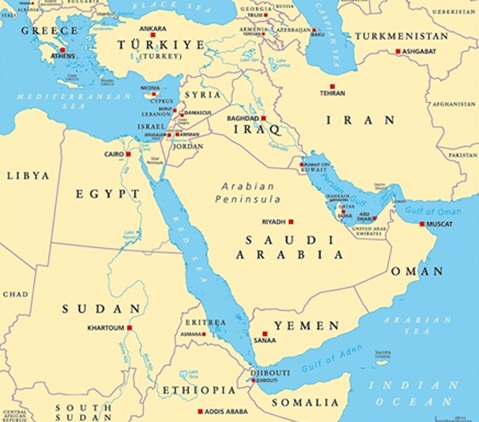
MUSCAT (WDN) — A crude oil tanker was struck by an unknown projectile off Oman on Friday, triggering another maritime security alert in waters surrounding the strategically vital Strait of Hormuz.
The vessel’s master reported that the tanker was hit on its port side about four nautical miles east of Oman, according to the United Kingdom Maritime Trade Operations (UKMTO). All crew members were reported safe, and no environmental impact had been reported at the time of the alert.
Authorities have not identified the projectile or determined who was responsible for the attack. UKMTO advised vessels operating in the area to exercise caution and report suspicious activity as investigations continue.
Another Blow to Commercial Shipping
The incident comes amid a series of attacks and reported projectile strikes against commercial tankers transiting the Strait of Hormuz.
On September 29, three Liberian-flagged oil tankers were reportedly struck by unidentified projectiles while navigating the waterway, according to maritime intelligence firm Marisks. The origin of those projectiles has not been established.
Another tanker was reported struck in the Strait on October 1, with the incident reportedly causing a fire and prompting the evacuation of its crew.
The growing number of incidents is placing renewed pressure on one of the world’s most important energy corridors.
Why Hormuz Matters
The Strait of Hormuz is a narrow maritime passage connecting the Persian Gulf with the Gulf of Oman and the wider Arabian Sea. It is a critical route for international energy shipments, making any sustained disruption potentially significant for global oil markets and commercial shipping.
For tanker operators, the latest incidents add another layer of risk to navigation through the waterway, where vessels must already contend with heightened regional military tensions.
The latest strike is particularly significant because it occurred only a few nautical miles from the Omani coast.
The immediate outcome was less severe than some recent tanker incidents: no crew casualties or environmental damage were reported. But the unanswered questions are increasingly serious.
Who launched the projectile? Was the tanker deliberately targeted? Was the incident connected to the wider regional conflict? And can commercial vessels continue to transit the waterway without facing unacceptable risks?
None of those questions has yet been answered. For the shipping industry, however, the message is already clear: the security environment around Hormuz remains highly volatile.
Every new strike risks increasing insurance costs, disrupting shipping schedules and encouraging operators to reconsider routes through one of the world’s most important energy corridors.
For now, the tanker and its crew have survived the latest incident without reported casualties or an oil spill. But with multiple vessels already coming under attack, the wider danger to commercial shipping is becoming increasingly difficult to ignore.
WardheerNews