
By Abdisalam Ali Farah (Biligsey)
Somalia, like many other fragile and developing nations, stands at a critical crossroads where the actions of its leaders can either foster recovery and progress or deepen instability and hardship. The country’s fluid political environment, combined with ongoing security challenges and economic fragility, makes it particularly susceptible to the damaging effects of negative and corrupt leadership.
The consequences are far-reaching, affecting both the everyday lives of ordinary citizens and the broader state-building efforts that are vital for long-term peace and stability.
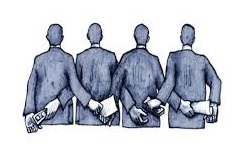
Corruption as a Lifestyle
At the grassroots level, corruption translates into a direct deterioration of public services. Resources meant to fund healthcare, education, and infrastructure are often misappropriated, leaving citizens without access to basic necessities. In a country already grappling with widespread poverty, this deepens suffering and inequality.
Mismanagement and favoritism stifle economic growth, making jobs increasingly scarce. Nepotism in hiring and public contracts further alienates those outside the circles of power, fuelling frustration, disillusionment, and a growing sense of injustice.
Erosion of Mutual Trust
The absence of transparency and accountability leads to a breakdown of trust between the government and its people. When citizens witness their leaders enriching themselves while the majority struggle to survive, faith in the possibility of a just and functional state quickly erodes. This growing distrust discourages public participation, weakens national unity, and paves the way for alternative power structures—including extremist groups—to exploit the vacuum.
From a broader perspective, corrupt leadership severely undermines the process of state-building. Effective state-building relies on strong, transparent institutions that can enforce laws, deliver services, and represent all citizens fairly. However, when corruption is widespread, these institutions are weakened or hollowed out entirely. Government legitimacy falters, making it difficult to implement reforms or maintain public order. Moreover, the international community—an important partner in Somalia’s development—often hesitates to provide aid or investment when governance is poor, further stalling progress.
Clan Manipulation as a Political Vehicle
Another damaging consequence is the manipulation of clan loyalties for political gain. Instead of fostering inclusive governance, corrupt leaders may entrench clan divisions to maintain control, exacerbating existing tensions and complicating national reconciliation efforts. This not only undermines the fragile peace process but also prevents the emergence of a unified Somali identity.
In conclusion, the role of leadership in fragile states like Somalia cannot be overstated. While external support and grassroots resilience are important, the presence—or absence—of principled, accountable leadership ultimately determines the trajectory of a nation. Somalia’s path to peace, stability, and prosperity will remain elusive until its leaders place the public good above personal gain, and until governance structures are rooted in integrity, inclusivity, and genuine service to the people.
Recommendations
1. As the presidential term expires next year, citizens will have the opportunity to select or elect well-thought-out members of parliament who prioritize the national interest.
2. To perform their oversight role effectively, members of parliament should not be appointed to head ministerial positions. Experience has shown that such appointments often lead to the president buying loyalty instead of accountability.
3. Technocrats, professionals, and individuals of integrity should be given the opportunity to lead the executive branch of government.
4. Finally, a stable and functioning Somalia benefits not only its citizens but also the international community, particularly those countries investing heavily in the nation’s stabilization and reconstruction efforts.
Abdisalam Ali Farah (Biligsey)
Email: biligsey2005@gmail.com